THE BOURBON HERITAGE ROOM
A TOAST TO KENTUCKY TRADITION
Kentucky's signature spirit, shaped by limestone water, charred oak, and generations of tradition.
KENTUCKY'S NATIVE SPIRIT
Born in Kentucky
Bourbon is more than Kentucky’s signature drink. It is a story of land, craftsmanship, patience, and tradition passed from one generation to the next.
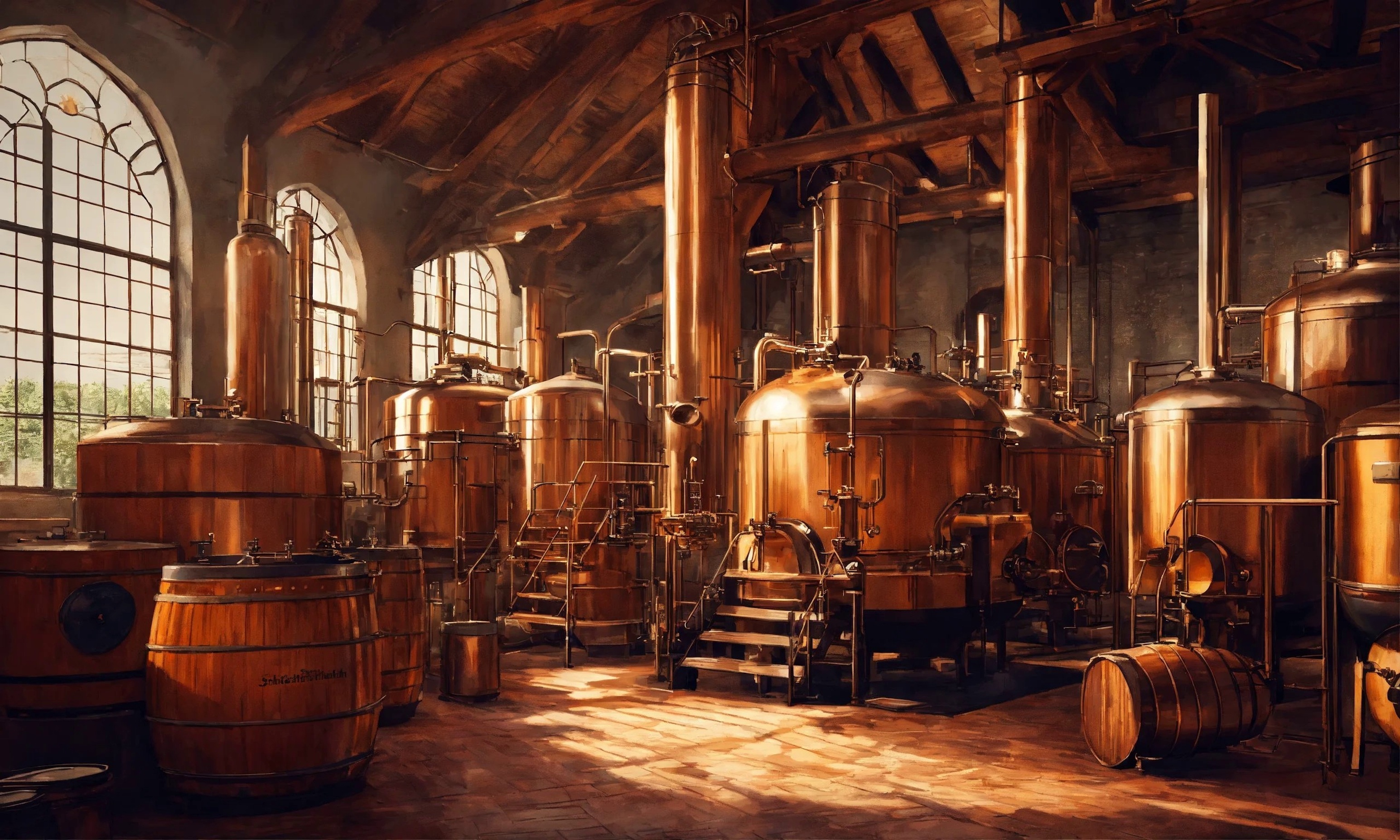
Early settlers brought their whiskey-making knowledge into Kentucky during the late 1700s. Here, they found fertile farmland for growing corn, plentiful hardwood forests for making barrels, limestone-filtered water, and a climate that helped transform clear whiskey into the richly colored spirit we recognize today.
Over time, those natural advantages grew into an industry that became inseparable from Kentucky itself. Families built distilleries. Coopers shaped oak barrels by hand. Generations of distillers guarded recipes, yeast strains, and production methods. Entire communities grew around the work of making and aging whiskey.
Although bourbon can legally be made anywhere in the United States, Kentucky remains its spiritual home.
THE RULES
What Makes Bourbon Bourbon?
Not every whiskey can be called bourbon. To earn the name, the spirit must follow specific federal standards:
It must be produced in the United States
Its grain recipe must contain at least 51 percent corn
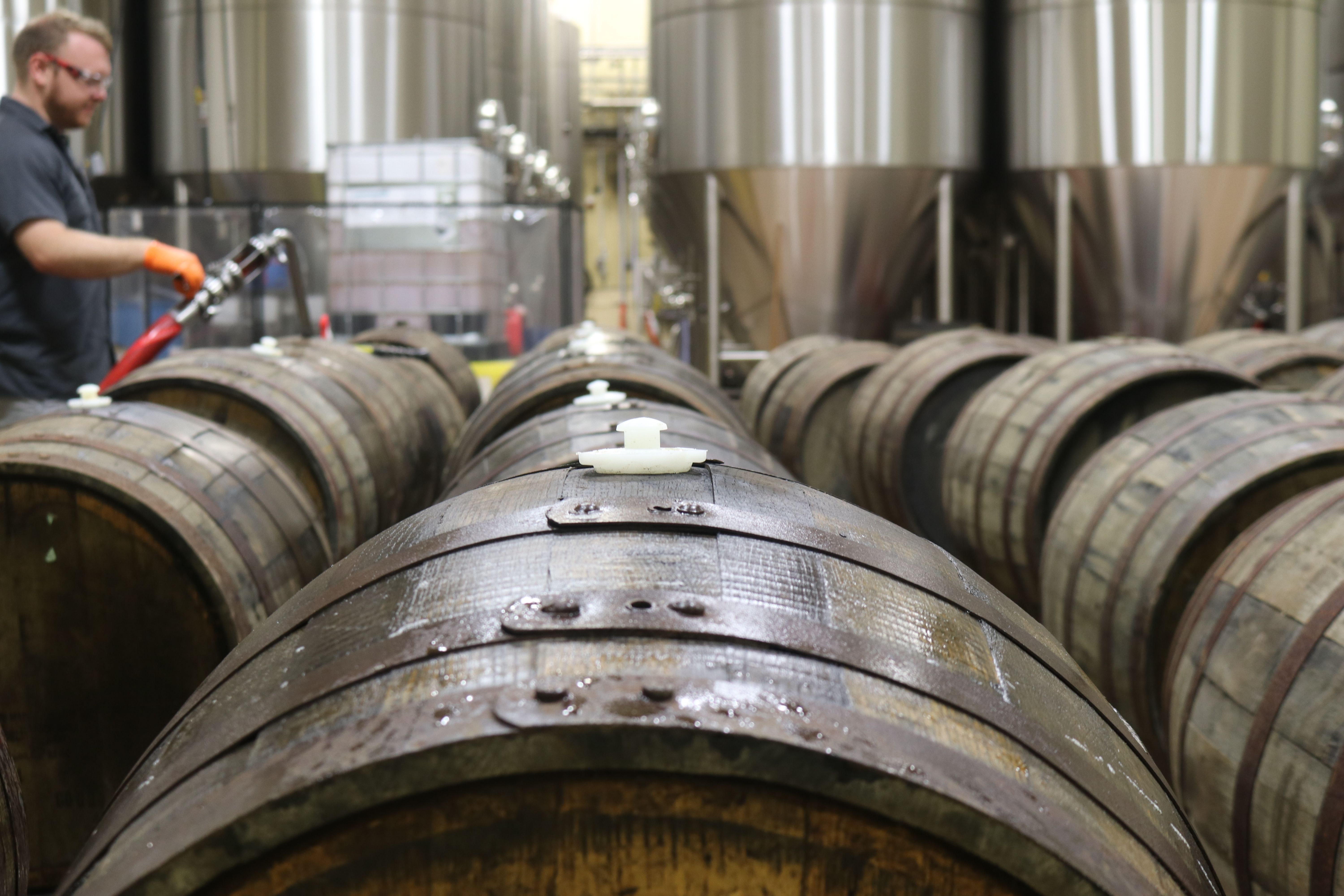
It must be aged in a new, charred oak container
It cannot be distilled above 160 proof
It must enter the barrel at no more than 125 proof
It must be bottled at no less than 80 proof
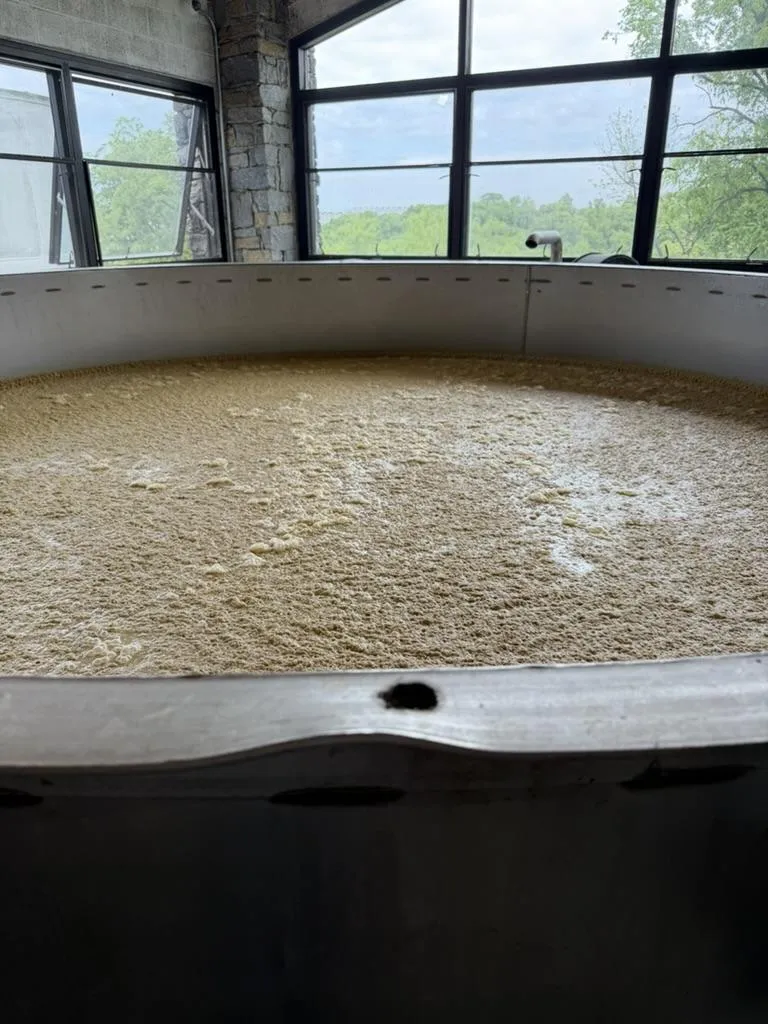
Nothing may be added to create bourbon’s color or flavor. Those characteristics develop naturally through the grain, fermentation, distillation, barrel, climate, and time.
Corn gives bourbon much of its underlying sweetness. Distillers then add grains such as rye, wheat, and malted barley to shape the final character. Rye may contribute spice, while wheat can create a softer profile. Even when two distilleries begin with similar ingredients, their recipes, yeast, equipment, barrel choices, and aging locations can produce remarkably different results.
DID YOU KNOW?
A Few Bourbon Facts
How much of the world's bourbon is from Kentucky?
At least 95 percent of the world's bourbon is produced in Kentucky, where limestone-filtered water adds the minerals that make the spirit distinct.
Does bourbon have to be made in KY?
No. Bourbon can be made anywhere in the United States as long as it follows federal bourbon standards. Kentucky simply produces the vast majority of it.
Why is limestone water important?
Kentucky’s limestone water naturally filters out iron while retaining minerals such as calcium and magnesium that support fermentation.
What is a mash bill?
A mash bill is the recipe of grains used to make whiskey. Bourbon must contain at least 51 percent corn, with rye, wheat, and malted barley commonly making up the rest.
How long does straight bourbon whiskey age?
Straight bourbon whiskey must age for at least two years in new, charred oak containers. Bourbon aged less than four years must generally carry an age statement.
Why are bourbon barrels only used once?
Federal standards require bourbon to be aged in new, charred oak containers. Afterward, the barrels are often reused to age Scotch, rum, tequila, beer, wine, and other products.
Why are bourbon barrels charred?
Charring changes the surface of the oak and helps bourbon develop its amber color and flavors such as vanilla, caramel, spice, and toasted sugar as it ages.
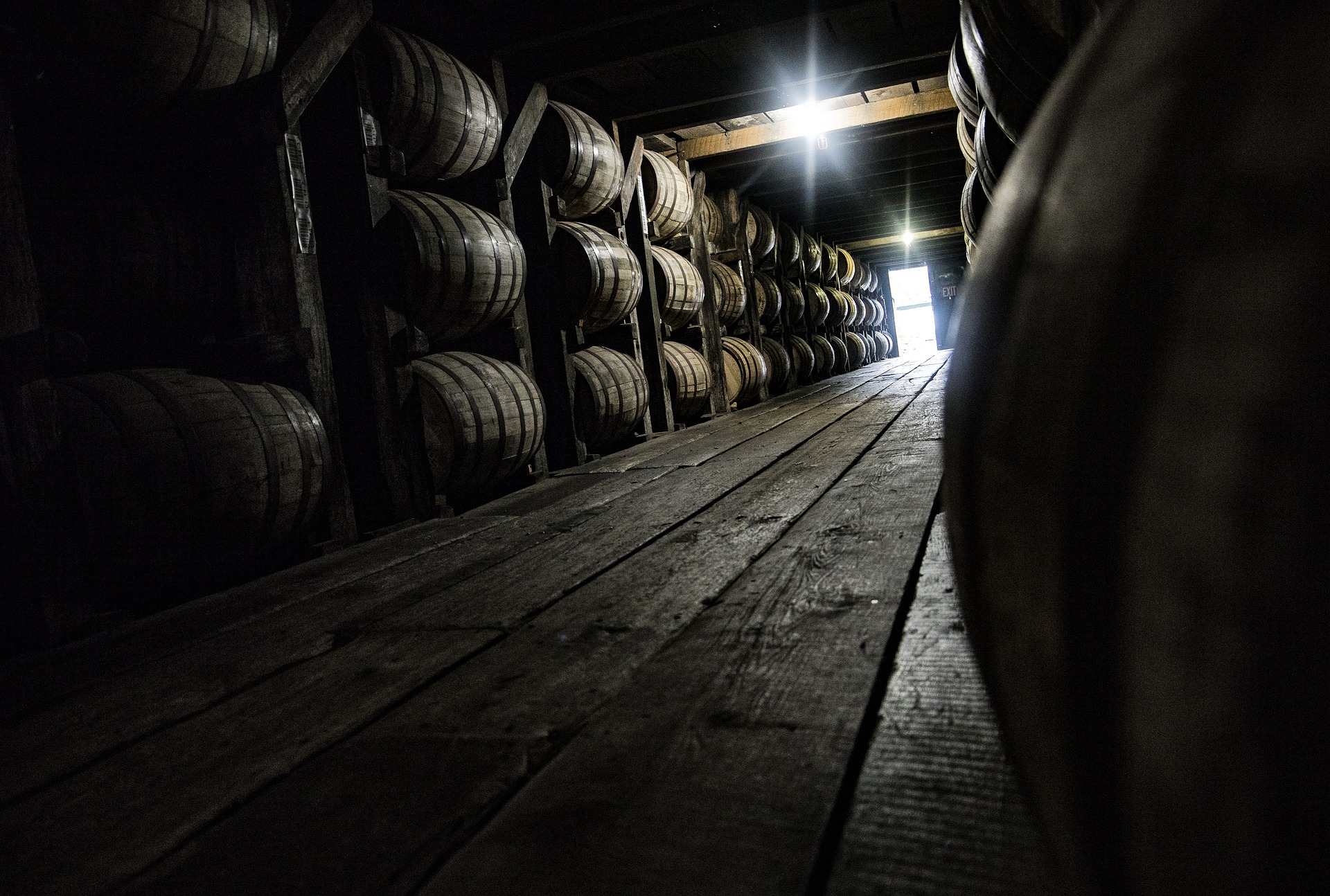
What is a rickhouse?
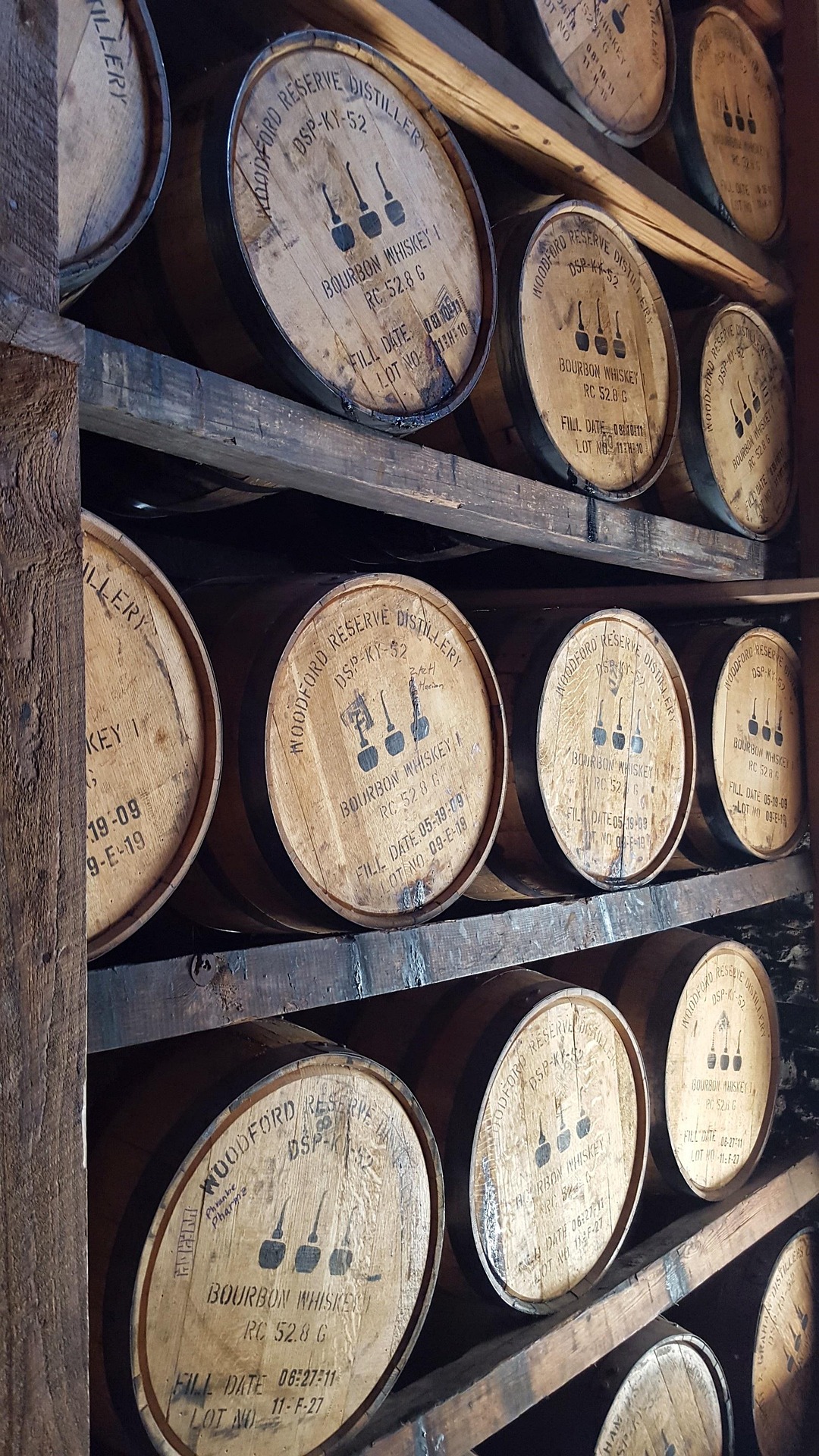
A rickhouse is the warehouse where bourbon barrels rest and mature. Temperature differences throughout the building can cause barrels on different floors to age differently.
What happened in 1964?
In 1964, the US Congress recognized bourbon as a "distinctive product of the United States."
What is the Angel's Share?
The Angel’s Share is the portion of whiskey that naturally evaporates through the oak barrel while the bourbon ages.
What does Bottled-in-Bond mean?
Bottled-in-Bond whiskey must be made by one distiller at one distillery during a single distilling season, aged for at least four years in a bonded warehouse, and bottled at exactly 100 proof.
What is the difference between bourbon and whiskey??
Bourbon is a type of whiskey. All bourbon is whiskey, but not all whiskey is bourbon. Bourbon must follow specific U.S. rules, including being made with at least 51 percent corn and aged in a new, charred oak container.
KEEP EXPLORING
Learn More About Kentucky Bourbon
The Lodge on Angel's Ridge - A Stylish Stay Property
Kentucky stories, thoughtfully woven into every room

© 2026 Stylish Stay. All rights reserved.
Privacy Policy | Terms of Use | Accessibility | Image Credits