THE KENTUCKY DERBY ROOM
THE RACE THAT DEFINES A KENTUCKY TRADITION
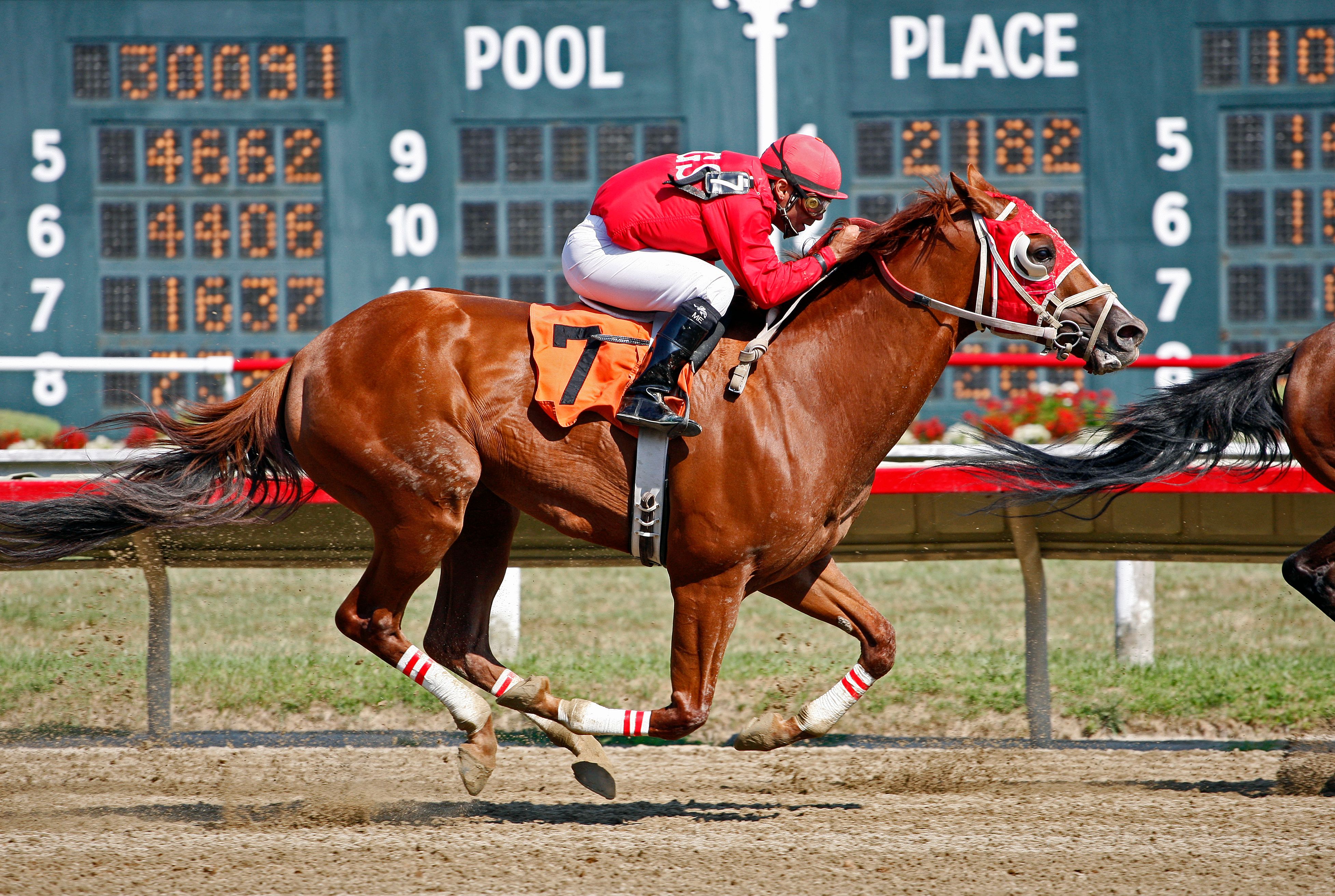
Each spring, the Kentucky Derby brings together Thoroughbred racing, Southern tradition, and the unmistakable spirit of the Commonwealth
KENTUCKY'S SIGNATURE RACE
How It Began
The Kentucky Derby began in 1875, but its story started several years earlier with Meriwether Lewis Clark Jr., the grandson of explorer William Clark. After attending major horse races in England and France, Clark returned to Louisville determined to create a prestigious American race of the same caliber.
He organized the Louisville Jockey Club, secured land from his Churchill relatives, and helped establish the racetrack that would later become Churchill Downs. The first Derby was run before an estimated crowd of 10,000 people, and the winning horse, Aristides, was ridden by 19-year-old Oliver Lewis.
THE TRADITIONS
How Derby Day Became a KY Ritual
The Kentucky Derby is only one race on a full day of racing, but the traditions surrounding it have made those two minutes instantly recognizable.
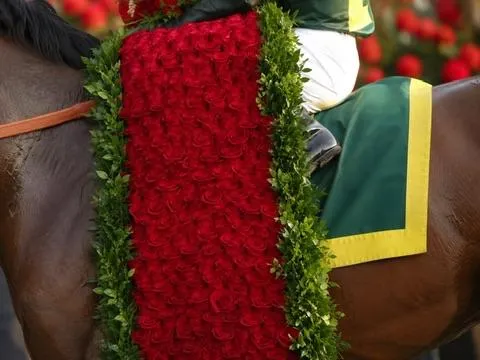
The red rose became the Derby’s official flower in 1904. Today, more than 400 roses are sewn by hand onto a green satin backing and placed over the winning horse, creating the garland behind the nickname “Run for the Roses.”
The Twin Spires were added to the Churchill Downs grandstand in 1895 after architect Joseph Baldez decided the roofline needed something more distinctive. What began as a decorative flourish became one of the most recognizable landmarks in American sports.
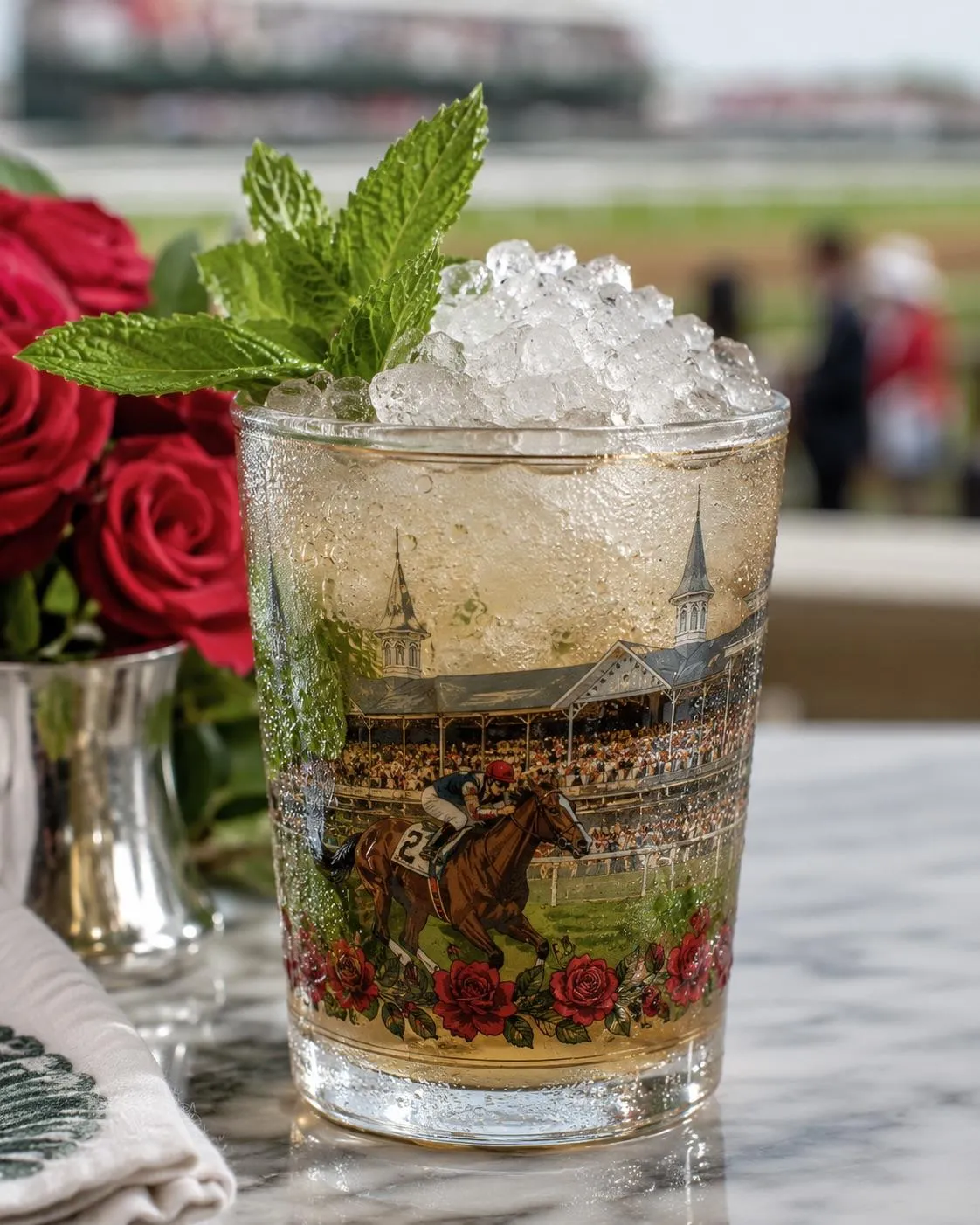
The mint julep became closely associated with the Derby during the 20th century, especially after Churchill Downs began serving the drink in collectible glasses. Made with Kentucky bourbon, mint, sugar, and crushed ice, it connects Derby Day directly to another of the Commonwealth’s best-known traditions.
Even the singing of “My Old Kentucky Home” has become part of the race’s rhythm. As the horses move toward the starting gate, the crowd joins together in a moment that makes a national sporting event feel unmistakably Kentucky.
DID YOU KNOW?
A Few Derby Facts
Why can a horse compete in the Kentucky Derby only once?
The race is limited to three-year-old Thoroughbreds. By the following year, every horse from that Derby class is too old to enter again. Each contender gets one chance at the starting gate.
How long is the KY Derby race?
The race covers 1¼ miles, or ten furlongs, on the dirt track at Churchill Downs. The original Derby was 1½ miles, but the distance was shortened in 1896 because it was considered too demanding for three-year-old horses so early in the season.
What is a furlong?
A furlong is a traditional horse-racing measurement equal to one-eighth of a mile. The Kentucky Derby is ten furlongs long, which equals 1¼ miles.
What is the Kentucky Oaks?
The Kentucky Oaks is held at Churchill Downs on the Friday before the Derby and features three-year-old fillies racing 1⅛ miles. First run in 1875, it is nearly as old as the Derby itself. Oaks Day is known for its pink attire and its modern “Pink Out” tradition supporting breast cancer awareness.
How many horses can run?
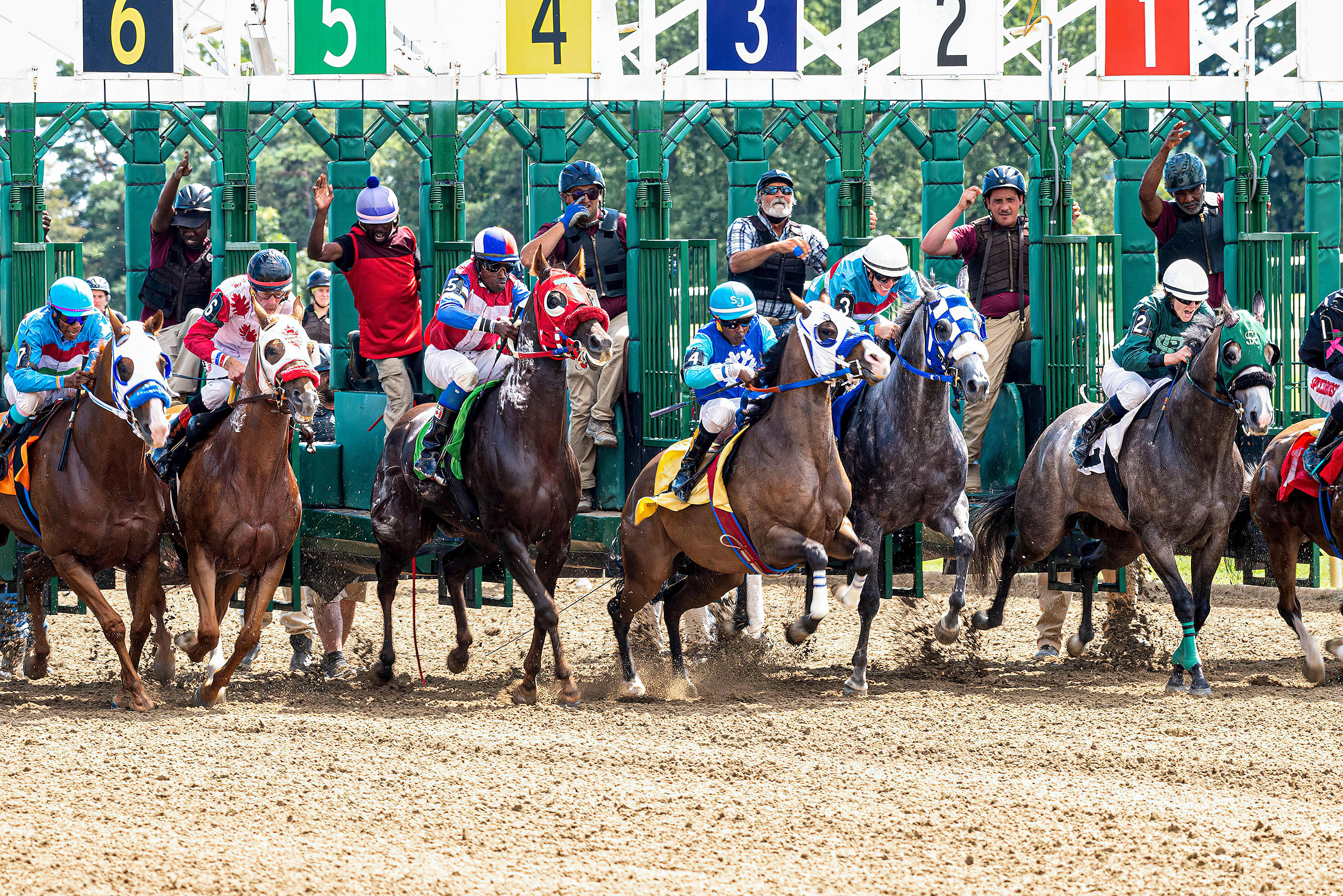
The modern Kentucky Derby field is limited to 20 starters. That is unusually large for an American horse race, which helps create the crowded, unpredictable charge toward the first turn.
What is the fastest Derby ever run?
Secretariat completed the 1973 Kentucky Derby in 1 minute, 59.40 seconds. His record still stands. Remarkably, he ran each quarter-mile segment faster than the one before it, accelerating throughout the race rather than slowing near the finish.
What is the Triple Crown?
The Triple Crown is awarded to a three-year-old Thoroughbred that wins the Kentucky Derby, the Preakness Stakes, and the Belmont Stakes in the same year. The races are held at different tracks, over different distances, within a demanding five-week period.
The three races were all established by 1875, but they were not originally organized as a formal series. Sir Barton won all three in 1919, before racing writers popularized the term “Triple Crown” in the 1930s.
How many horses have won the Triple Crown?
Only 13 horses have completed the sweep: Sir Barton (1919) although technically before the official "Triple Crown", Gallant Fox (1930), Omaha (1935), War Admiral (1937), Whirlaway (1941), Count Fleet (1943), Assault (1946), Citation (1948), Secretariat (1973), Seattle Slew (1977), Affirmed (1978), American Pharoah (2015), and Justify (2018).
What is the biggest upset in Derby history?
Donerail won in 1913 at odds of 91-to-1, making him the longest-priced winner in Derby history. A two-dollar win ticket paid $184.90, an astonishing return at a time when the average American worker earned only a fraction of that amount each week.
Have any female horses won??
Only three fillies have won the Kentucky Derby: Regret in 1915, Genuine Risk in 1980, and Winning Colors in 1988. Fillies may compete against the colts, although most instead race in the Kentucky Oaks the day before.
Why are hats such a major part of Derby fashion?
Derby fashion was influenced by the formal dress associated with British racing, which inspired founder Meriwether Lewis Clark Jr. Hats were part of fashionable race-day attire from the beginning. As hats became less common in everyday life, the Derby became one of the rare places where dramatic millinery continued to thrive.
What was the largest KY Derby crowd?
The attendance record was set in 2015, when 170,513 people packed Churchill Downs. A typical Derby still draws more than 150,000 spectators, including guests in reserved grandstand seats, hospitality areas, and the sprawling infield.
KEEP EXPLORING
Learn More About The Kentucky Derby
The Lodge on Angel's Ridge - A Stylish Stay Property
Kentucky stories, thoughtfully woven into every room
© 2026 Stylish Stay. All rights reserved.
Privacy Policy | Terms of Use | Accessibility | Image Credits