THE THOROUGHBRED HORSES ROOM
THE BLOODLINES, FARMS AND RACING LEGACY OF KENTUCKY HORSE COUNTRY
Kentucky’s connection to the Thoroughbred reaches far beyond the racetrack, into its rolling pastures, historic farms, breeding traditions, and generations of horsemen and horsewomen.
THE BEGINNING
Why KY Became Horse Country
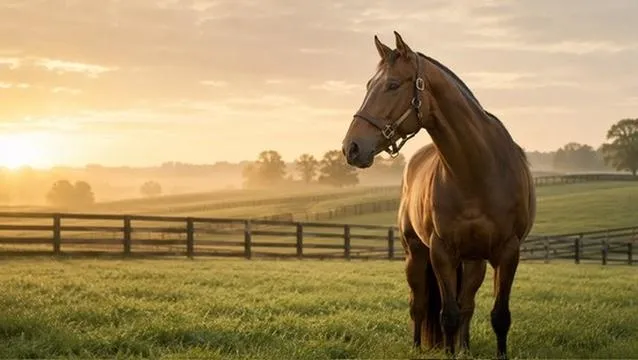
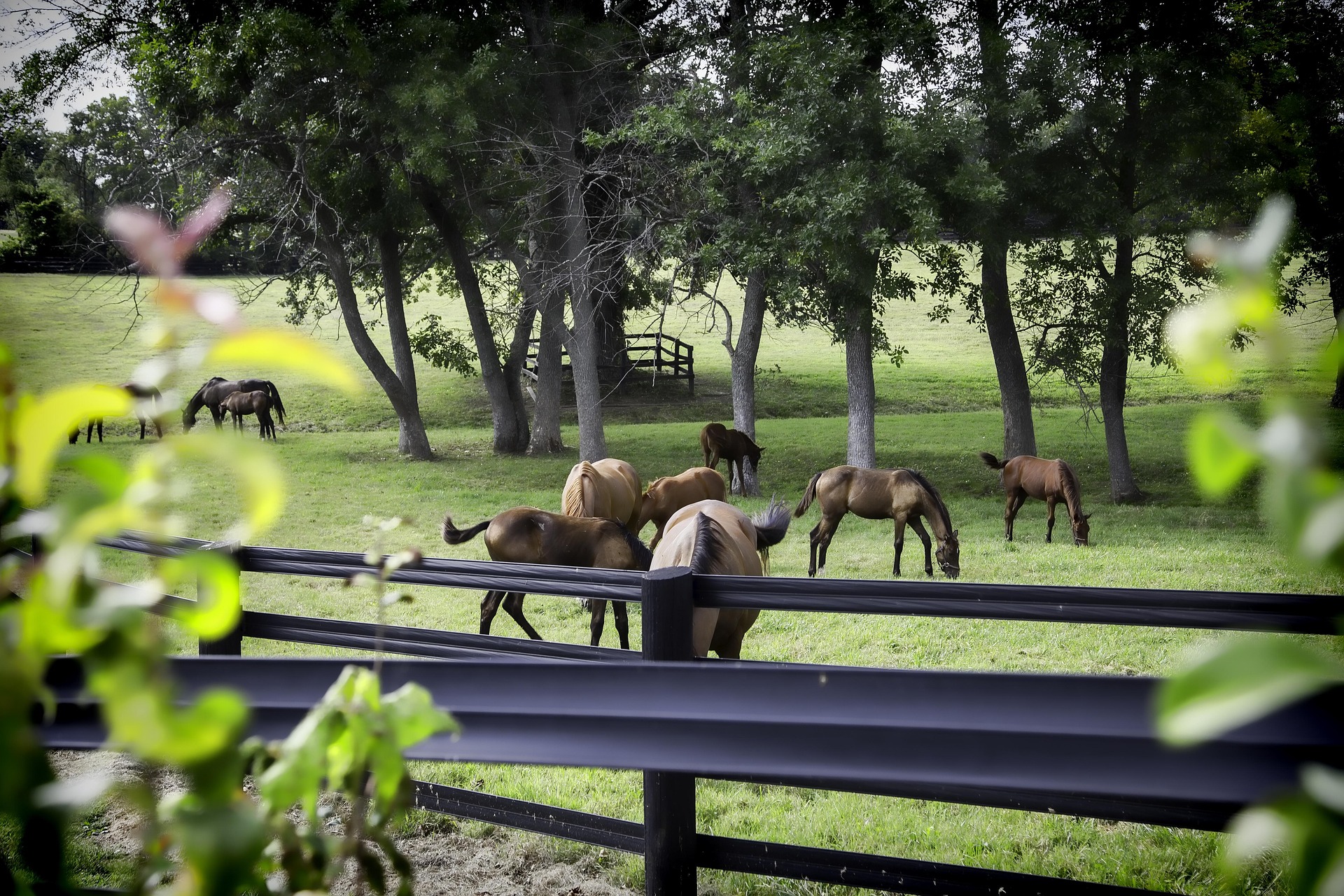
A Thoroughbred standing quietly in a pasture may look far removed from the excitement of a racetrack. But long before the starting gate opens, that horse represents years of planning, careful breeding, daily training, and knowledge passed from one generation to the next. In Kentucky, the Thoroughbred is not simply a symbol. It is part of the landscape and a living industry built over centuries.
The breed itself began in England more than 300 years ago. Its bloodlines trace to three influential stallions imported from the Middle East: the Darley Arabian, the Byerley Turk, and the Godolphin Arabian. Their descendants were crossed with English mares to produce horses prized for speed, stamina, and athletic ability. Those pedigrees eventually traveled across the Atlantic with settlers, breeders, and racing enthusiasts.
Kentucky proved especially well suited to raising horses. The central Bluegrass region contains naturally fertile soils rich in calcium and phosphorus, nutrients important to equine development. Its rolling land, moderate climate, plentiful water, and grass pastures also created favorable conditions for breeding farms. Kentucky bluegrass is nutritious, tolerates close grazing, and forms a dense sod that provides reliable footing.
Over time, successful breeders, trainers, jockeys, farm workers, veterinarians, and bloodstock experts turned those natural advantages into an internationally recognized industry. Farms spread across the countryside around Lexington, while racetracks, sales companies, and breeding operations connected Kentucky horses to buyers and competitors around the world.
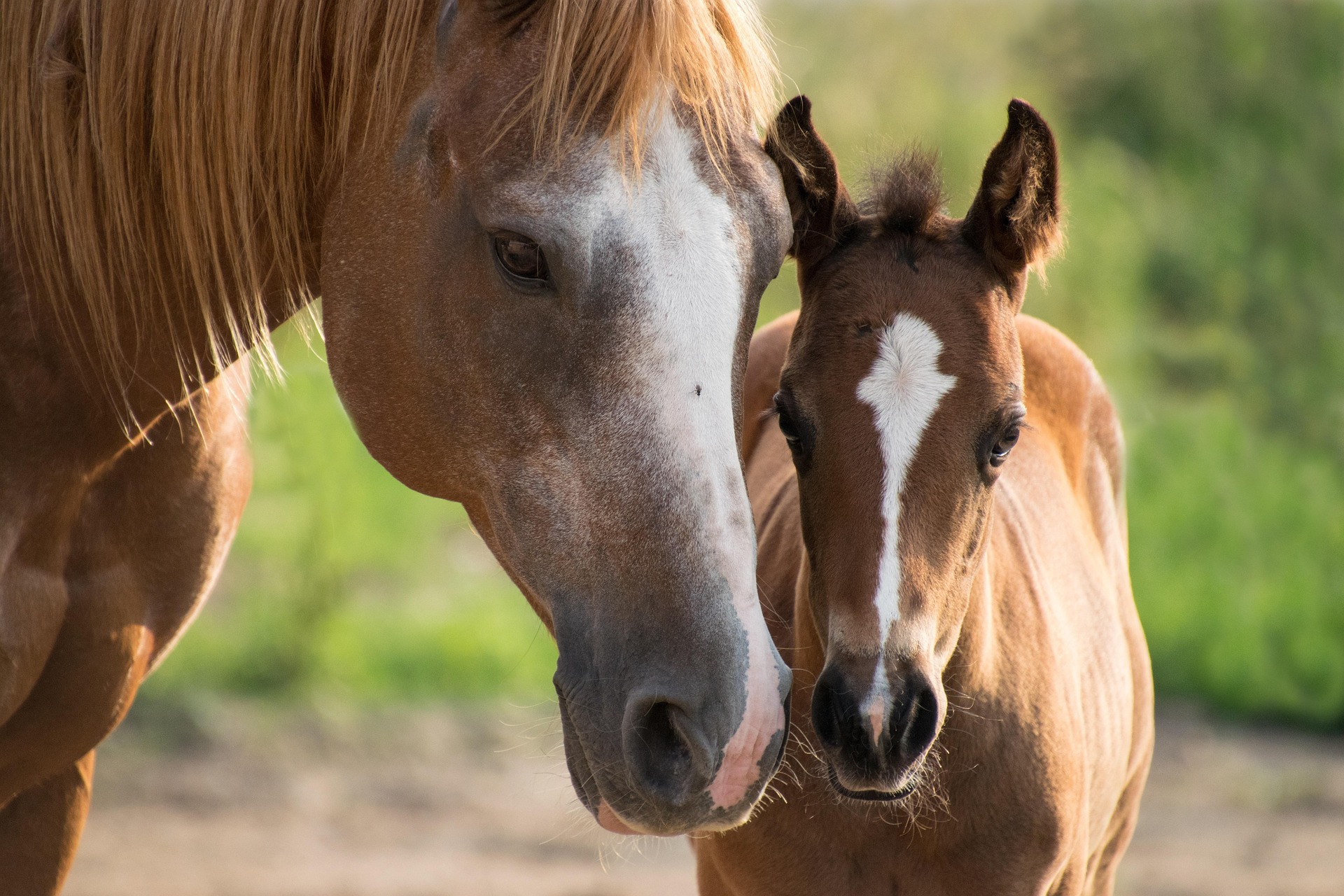
Today, Kentucky is still closely identified with Thoroughbreds, but the story begins well before race day. It begins in the quiet hours of the morning, in foaling barns and fenced pastures, where each new generation carries the possibility of becoming part of Kentucky racing history.
THE BLOODLINES
What Makes a Thoroughbred a Thoroughbred?
A Thoroughbred is not simply a horse that races, and the word does not mean the same thing as “purebred.” It is the name of a specific breed whose identity is determined by documented ancestry.
To be officially recognized as a Thoroughbred in North America, a horse must be registered in The American Stud Book, maintained by The Jockey Club. Both parents must be registered Thoroughbreds, and the foal’s parentage is verified through DNA testing. Registration creates an official record of the horse’s birth, markings, breeder, pedigree, and identity.
Thoroughbreds are bred through natural mating. Artificial insemination, embryo transfer, and cloning are not permitted for registration. This rule helps preserve a traceable line from each foal back through generations recorded in recognized stud books around the world.
The modern breed developed in England during the 17th and 18th centuries by crossing native mares with imported stallions known for speed and endurance. Nearly every Thoroughbred’s male line can be traced to three foundation sires: the Darley Arabian, the Godolphin Arabian, and the Byerley Turk. Thousands of mares also shaped the breed, although their contributions are less often mentioned.
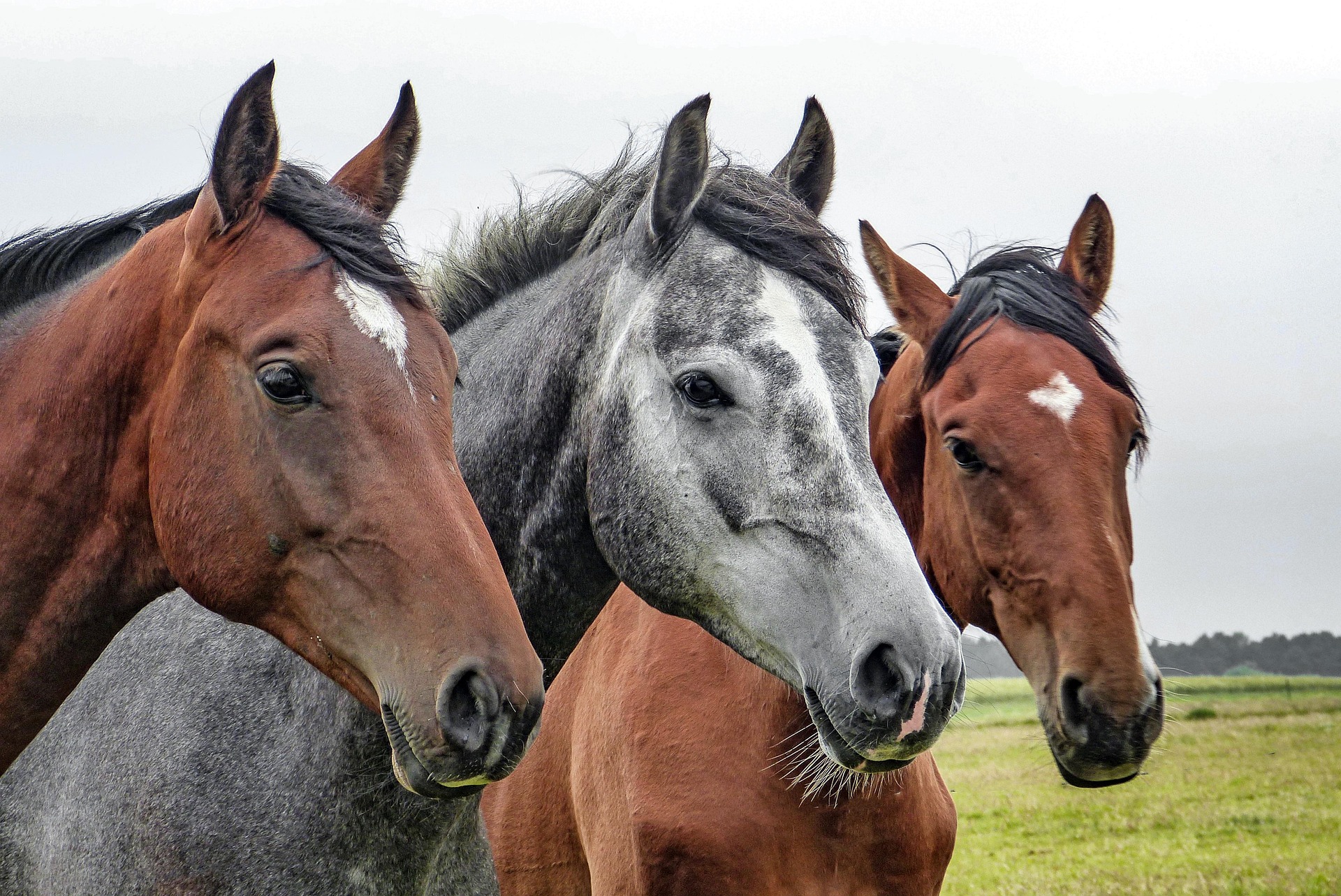
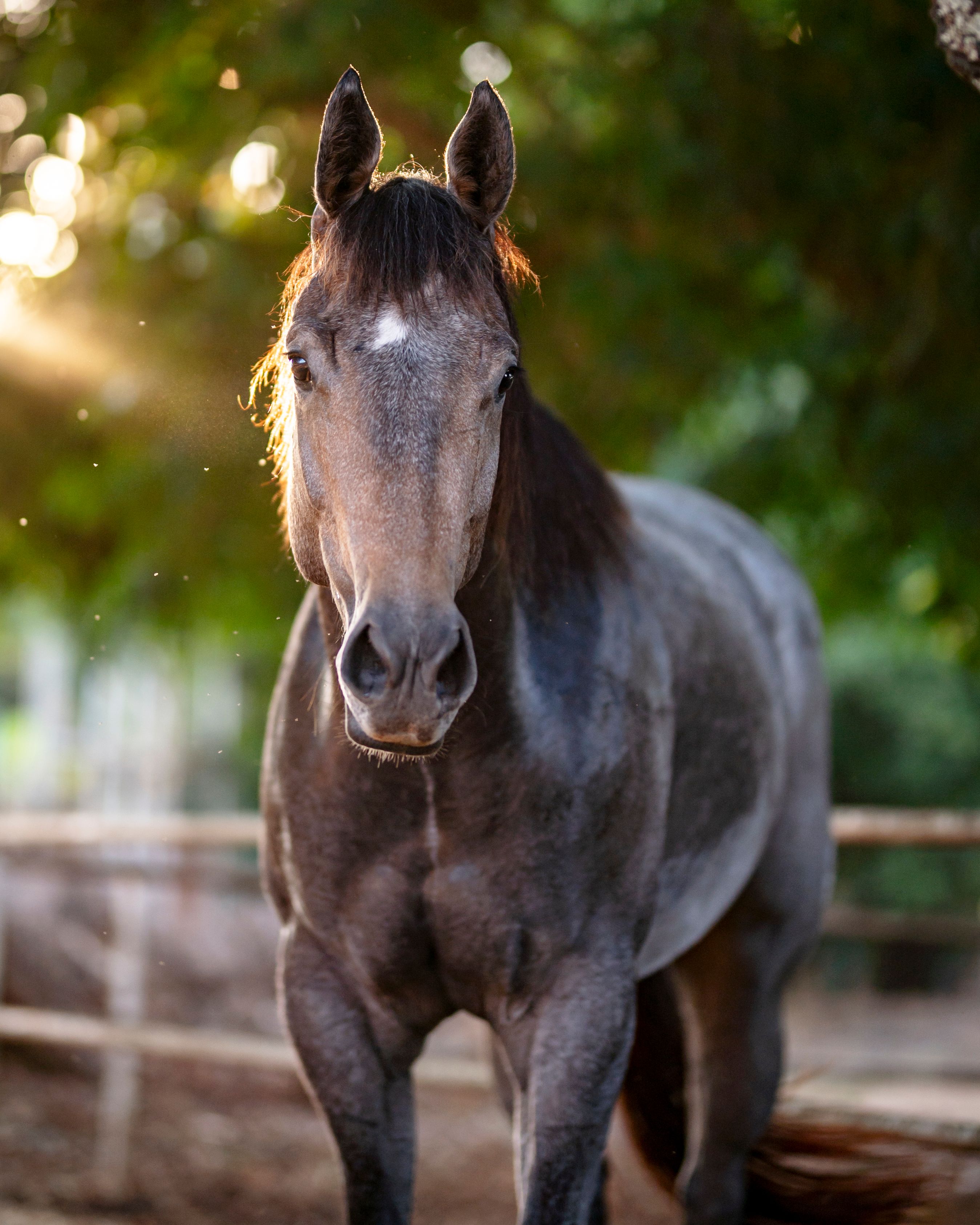
Thoroughbreds are commonly recognized by their long legs, deep chest, lean build, and athletic movement. They are bred for speed, stamina, and competitiveness, but appearance alone does not make a horse a Thoroughbred. The pedigree and registration do.
Not every Thoroughbred becomes a racehorse, and many continue into second careers after racing. They compete in eventing, show jumping, dressage, polo, hunting, and recreational riding. What connects them is not where they compete, but the carefully documented bloodline carried from one generation to the next.
DID YOU KNOW?
A Few Thoroughbred Facts
Is "Thoroughbred" another word for purebred?
No. A Thoroughbred is one specific breed of horse with ancestry recorded in an approved stud book. A horse from another breed may be purebred, but it is not a Thoroughbred.
Does every Thoroughbred become a racehorse?
No. Some never race, while others leave racing for new careers. Thoroughbreds compete in eventing, show jumping, dressage, polo, fox hunting, and other equestrian sports.
Are Thoroughbreds Arabian horses?
No. Arabians and Thoroughbreds are separate breeds. Arabian horses helped shape the Thoroughbred’s early ancestry, but centuries of selective breeding produced a distinct breed with its own registry, characteristics, and bloodlines.
Are Thoroughbreds found only in the United States?
No. Thoroughbreds are bred and raced worldwide, with major industries in Europe, Asia, Australia, the Middle East, Africa, and the Americas. Different countries maintain their own official stud books, but recognized registries share pedigree information internationally.
How is a Thoroughbred’s parentage confirmed?
The Jockey Club uses DNA testing to verify that a foal’s recorded sire and dam are its biological parents. The registry also records identifying details such as color, markings, and microchip information.
What is The American Stud Book??
It is the official registry for Thoroughbreds foaled in the United States, Canada, and Puerto Rico. Maintained by The Jockey Club, it preserves pedigrees and identification records for the breed.
Who are the three foundation sires?
The Darley Arabian, the Godolphin Arabian, and the Byerley Turk are considered the three foundation sires of the modern Thoroughbred. Nearly every Thoroughbred’s direct male line can be traced to one of them.
Why do racehorses of the same age have the same official birthday?
For racing and recordkeeping, all Thoroughbreds in the Northern Hemisphere officially become one year older on January 1, regardless of their actual birth date. This keeps age-based races consistent.
How old are Thoroughbreds when they begin racing?
Many begin racing at age two, although horses mature at different rates and some start later. The Kentucky Derby is restricted to three-year-old Thoroughbreds.
What is a yearling?
A yearling is a horse in the calendar year after the year it was born. Thoroughbred yearlings may be prepared for public auction before beginning the training that could lead to a racing career.
How many horses live in Kentucky?
The 2022 Kentucky Equine Survey counted about 209,500 horses, ponies, donkeys, and mules across roughly 31,000 equine operations. More than 3 million acres of Kentucky land were devoted to equine use.
How many Kentucky Derby winners were bred in Kentucky?
Kentucky has produced more Derby winners than any other state. Through 2025, 117 of the first 151 winners were Kentucky-bred, representing more than three-quarters of all Kentucky Derby champions
KEEP EXPLORING
Learn More About Thoroughbred Horses
The Lodge on Angel's Ridge - A Stylish Stay Property
Kentucky stories, thoughtfully woven into every room

© 2026 Stylish Stay. All rights reserved.
Privacy Policy | Terms of Use | Accessibility | Image Credits