

THE LOUISVILLE SLUGGER ROOM
THE BAT THAT KENTUCKY BUILT
One broken bat, one Kentucky woodshop, and one unforgettable swing helped create the most iconic bat in baseball history.
THE BIRTH OF A BASEBALL LEGEND
The Bath that Changed America's Pastime
Baseball was already growing in popularity during the 1880s, but there was little consistency in the equipment players used. Many professionals carved their own bats or had local woodworkers make them. Every bat was unique, and players often experimented with different shapes and weights in search of an advantage.
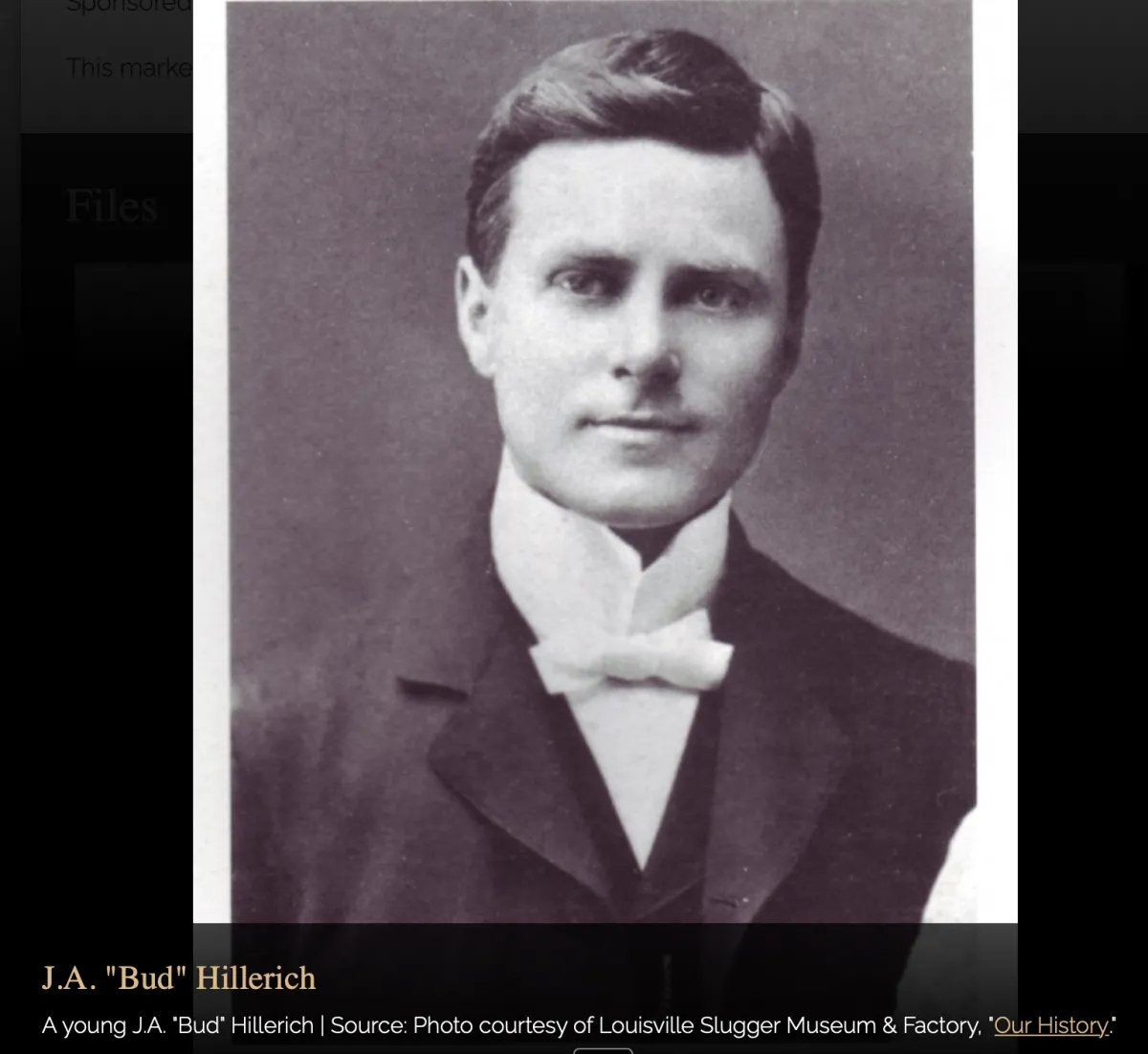
Everything changed on a spring afternoon in Louisville in 1884. Pete Browning, the hometown star for the Louisville Eclipse and one of baseball’s greatest hitters, broke his favorite bat during a game. Watching from the grandstand was 17-year-old John “Bud” Hillerich, whose father owned a woodworking shop just blocks away.
After the game, Bud invited Browning to the family shop and carefully turned a replacement bat from a piece of hardwood. The following day, Browning reportedly collected three hits using the new bat. Whether it was the quality of the craftsmanship or simply baseball superstition, other players wanted bats made by the Hillerich family.
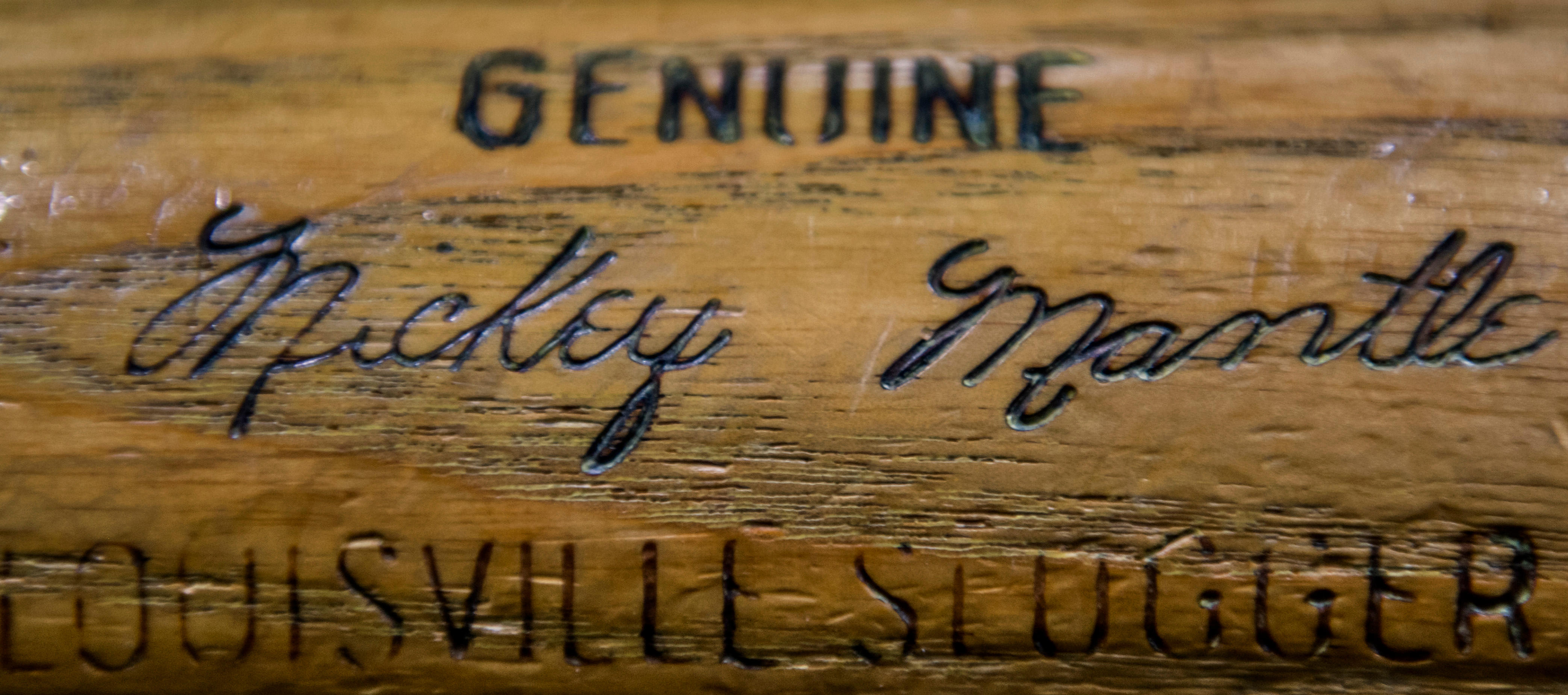
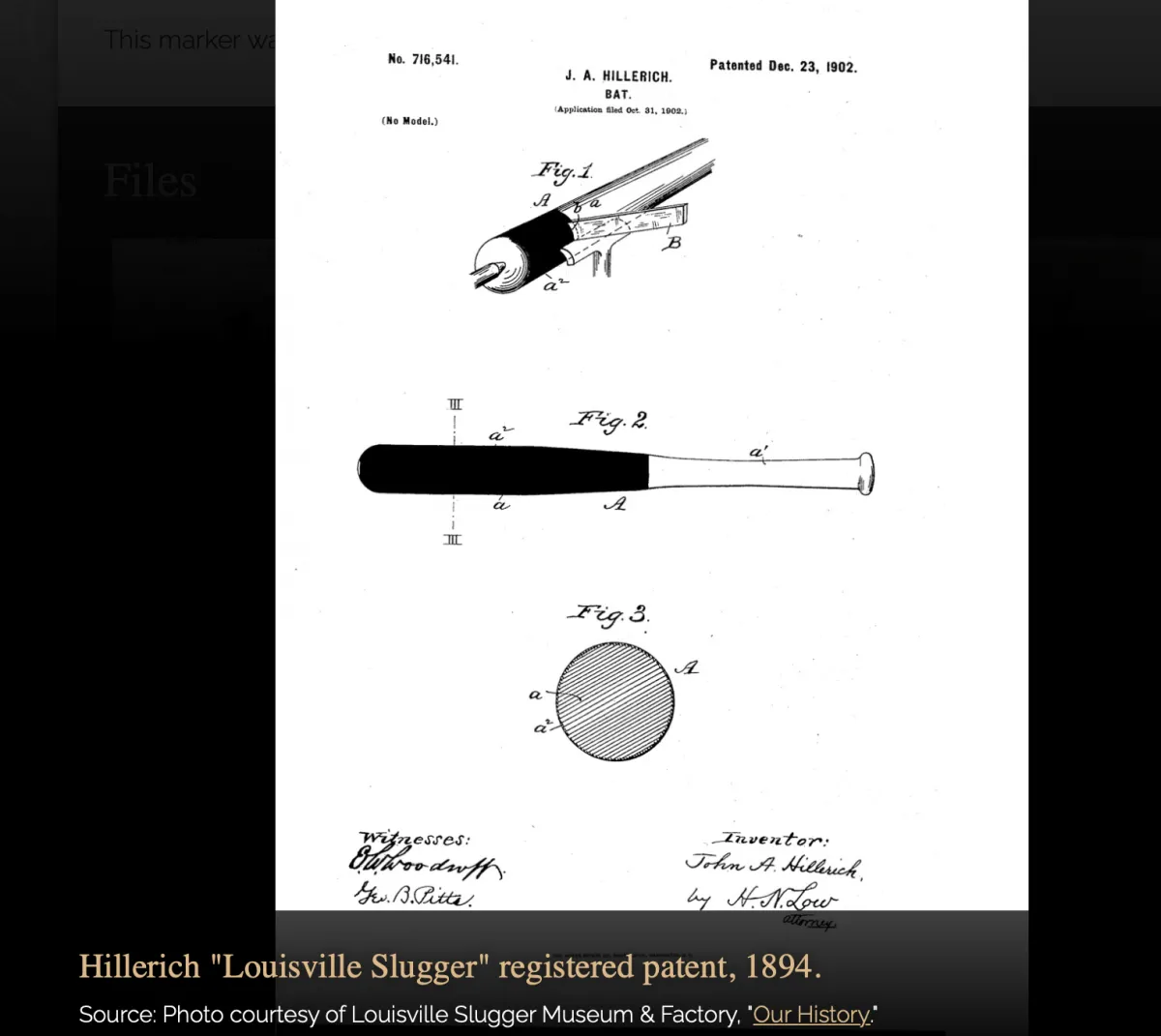
Orders quickly spread beyond Louisville. The Hillerich woodworking business evolved into Hillerich & Bradsby, and the company eventually trademarked the name Louisville Slugger®. Over the next century, the bats would be carried by legends including Babe Ruth, Lou Gehrig, Jackie Robinson, Hank Aaron, Derek Jeter, and hundreds of other Major League stars.
Today, few sporting goods are as recognizable as the Louisville Slugger. What began as one teenager helping a local ballplayer became one of Kentucky’s most enduring contributions to American sports.
FROM HAND LATHE TO HIGH TECH
How Louisville Slugger Crafts a Major League Bat
Although baseball has changed dramatically since 1884, the heart of every Louisville Slugger remains remarkably similar. Every professional wooden bat still begins as a single piece of hardwood. The difference lies in the precision.
In Bud Hillerich’s day, each bat was shaped entirely by hand on a foot-powered wood lathe. Every curve of the barrel, handle, and knob depended on the skill of the craftsman. No two bats were exactly alike, and players often relied on feel rather than measurements.
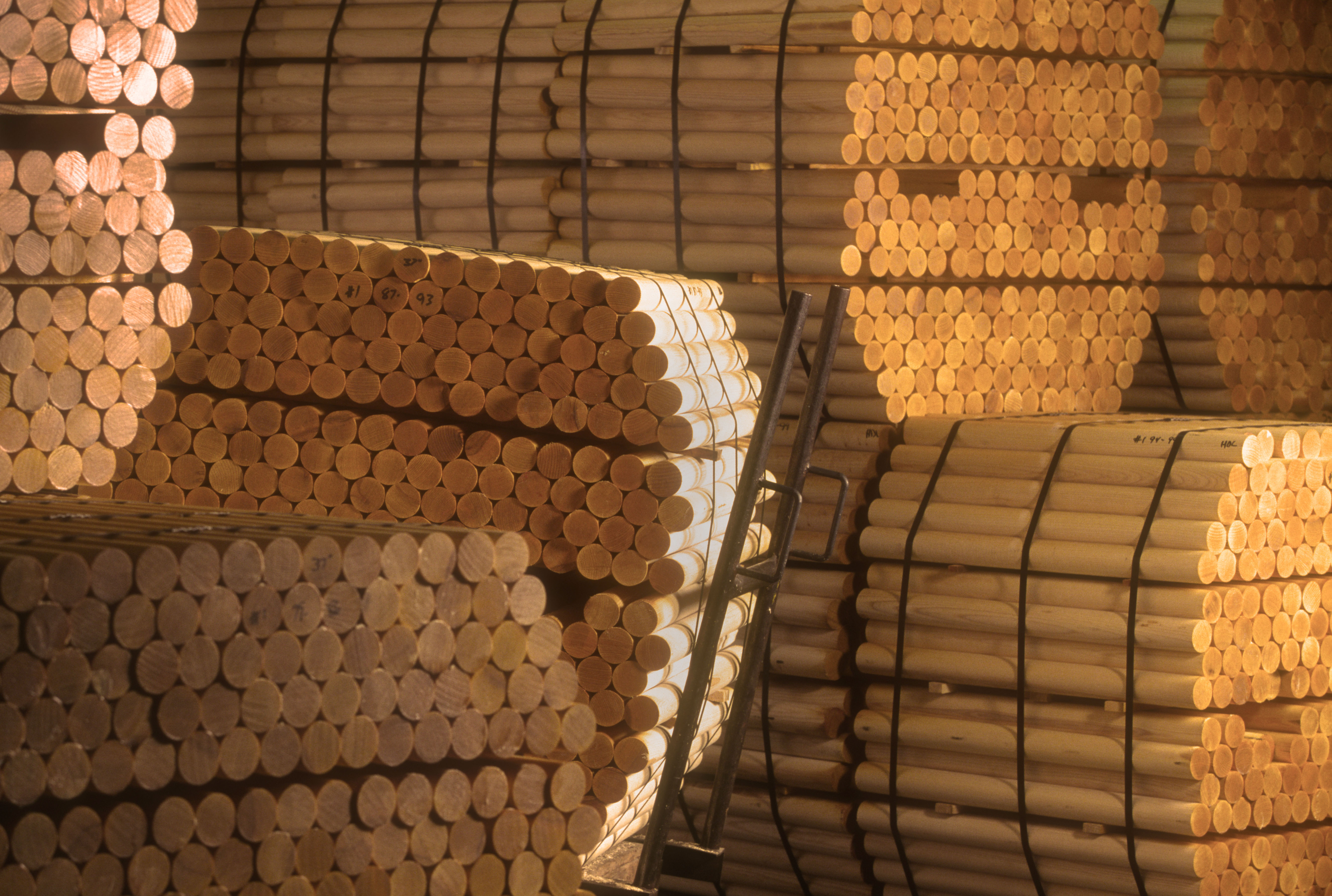
Today’s process begins in the forest. Ash, maple, and birch trees are carefully selected and cut into solid billets before drying for months to reach the ideal moisture content. Each billet is inspected for straight grain because even small imperfections can weaken a bat during a powerful swing.
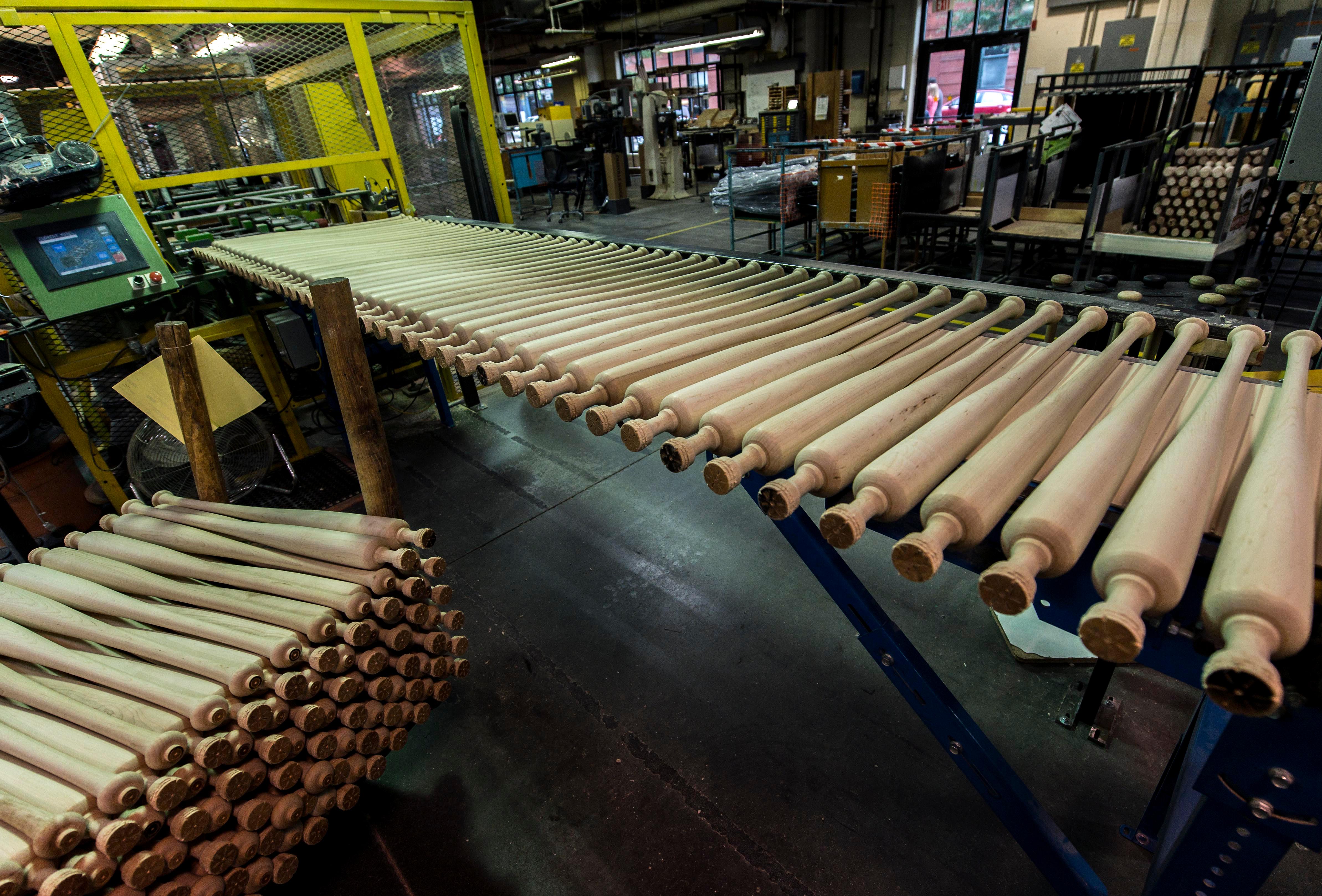
Computer-controlled lathes now shape each bat in less than a minute using digital templates based on thousands of professional player specifications. Yet despite the technology, craftsmanship still matters. Every bat is hand sanded, weighed, balanced, branded, and inspected before leaving the Louisville factory. Many Major League players can detect a weight difference of less than half an ounce, making precision essential.
While the tools have evolved from simple hand lathes to advanced computer-guided machines, the goal has never changed: create a perfectly balanced bat that gives a hitter complete confidence every time they step into the batter’s box. More than 140 years after Bud Hillerich turned that first bat, Louisville Slugger continues to combine Kentucky craftsmanship with modern innovation, producing bats that connect today’s players to baseball’s earliest traditions.
DID YOU KNOW?
A Few Louisville Slugger Facts
How many bats does a Major League player use in a season?
The average Major League player goes through about 120 bats every season, while power hitters may use 150 or more.
Who was the first Major League player to endorse Louisville Slugger?
In 1905, Pittsburgh Pirates legend Honus Wagner became the first player to sign an endorsement contract with Louisville Slugger, making him one of the first professional athletes ever to endorse a sporting product.
How many bats are made each year?
The Louisville Slugger factory produces approximately 1.8 million wooden bats every year, from youth league models to Major League game bats.
Where does Louisville Slugger get its wood?
Hillerich & Bradsby manages approximately 6,500 acres of hardwood forests in Pennsylvania and New York, where ash, maple, and birch are carefully harvested for bat production.
How many trees supply one Major League player?
A single Major League player can require wood from roughly 20 mature hardwood trees to supply all of the bats they use during one season.
Why do players hold the logo facing up or down?
The Louisville Slugger logo is designed to help hitters orient the bat so the strongest side of the wood absorbs the impact, reducing the chance of breaking.
How many custom bat designs are on file?
Louisville Slugger keeps more than 3,000 player specifications, allowing professionals to order the exact same bat year after year.
How heavy was Babe Ruth’s bat?
Babe Ruth often swung bats weighing 40 to 54 ounces, while today’s Major League players usually choose bats weighing 31 to 33 ounces.
Which bat inspired the giant bat outside the museum?
The museum’s famous 120-foot bat is modeled after the C271, the same Louisville Slugger model used by legends including Mickey Mantle and Roger Maris.
How fast can a bat be made today?
Modern computer-guided lathes can shape a professional bat in less than one minute, but every Major League bat is still hand sanded, finished, and inspected.
How long has Louisville Slugger been making bats?
Since 1884, Louisville Slugger has been crafting bats for more than 140 years, making it one of the oldest and most recognized sporting goods brands in America.
How long does a baseball stay on the bat?
A baseball is in contact with the bat for only about one one-thousandth of a second, yet that brief moment can send it flying more than 450 feet.
KEEP EXPLORING
Learn More About Louisville Sluggers
The Lodge on Angel's Ridge - A Stylish Stay Property
Kentucky stories, thoughtfully woven into every room

© 2026 Stylish Stay. All rights reserved.
Privacy Policy | Terms of Use | Accessibility | Image Credits