THE BLUEGRASS ROOM
THE SOUND OF KENTUCKY
How a landscape gave Kentucky its nickname… and inspired America’s newest musical tradition.
BEFORE THE MUSIC, THERE WAS THE LAND
Why KY is Called the Bluegrass State?
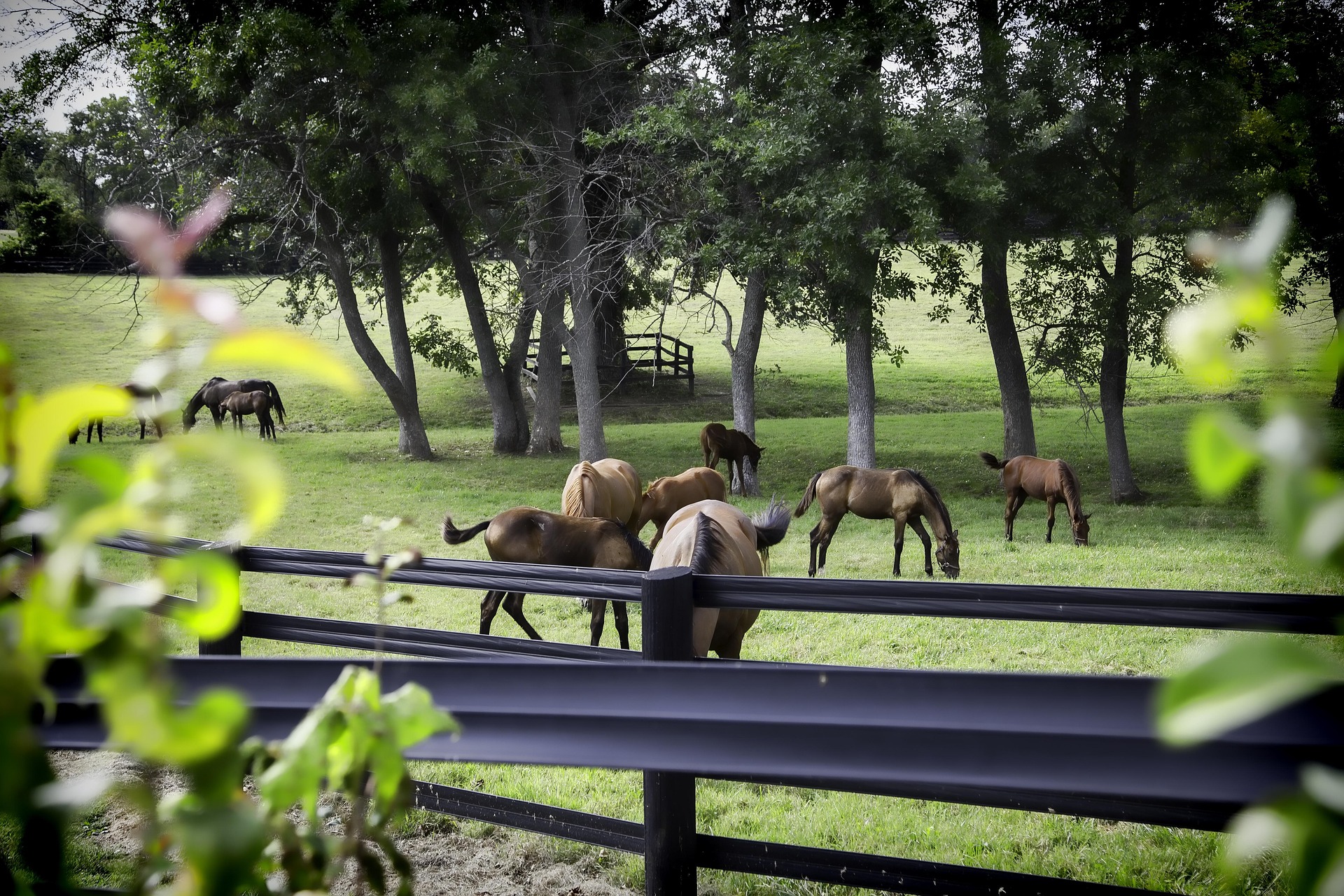
Long before Kentucky became famous for bourbon, horse racing, or bluegrass music, it earned its nickname from something growing beneath people’s feet.
In the spring, Kentucky’s rolling pastures burst into bloom with Kentucky bluegrass. Although the grass itself stays green, its seed heads take on a bluish-purple hue that can make entire fields appear blue from a distance. Early settlers were so captivated by the sight that the central part of the state became known simply as “The Bluegrass.”
Those limestone-rich soils that nourish bluegrass also produce mineral-rich water and exceptional pasture. That same combination helped make Kentucky one of the world’s premier regions for raising thoroughbred horses and later contributed to the distinctive character of Kentucky bourbon.
Today, “Bluegrass” means far more than a type of grass. It has become shorthand for Kentucky’s landscape, traditions, and identity.
TURNING MOUNTAIN MUSIC INTO BLUEGRASS
The Music That Took KY to the World
Although the Bluegrass Region gave Kentucky its nickname centuries earlier, bluegrass music didn’t emerge until the 1940s.
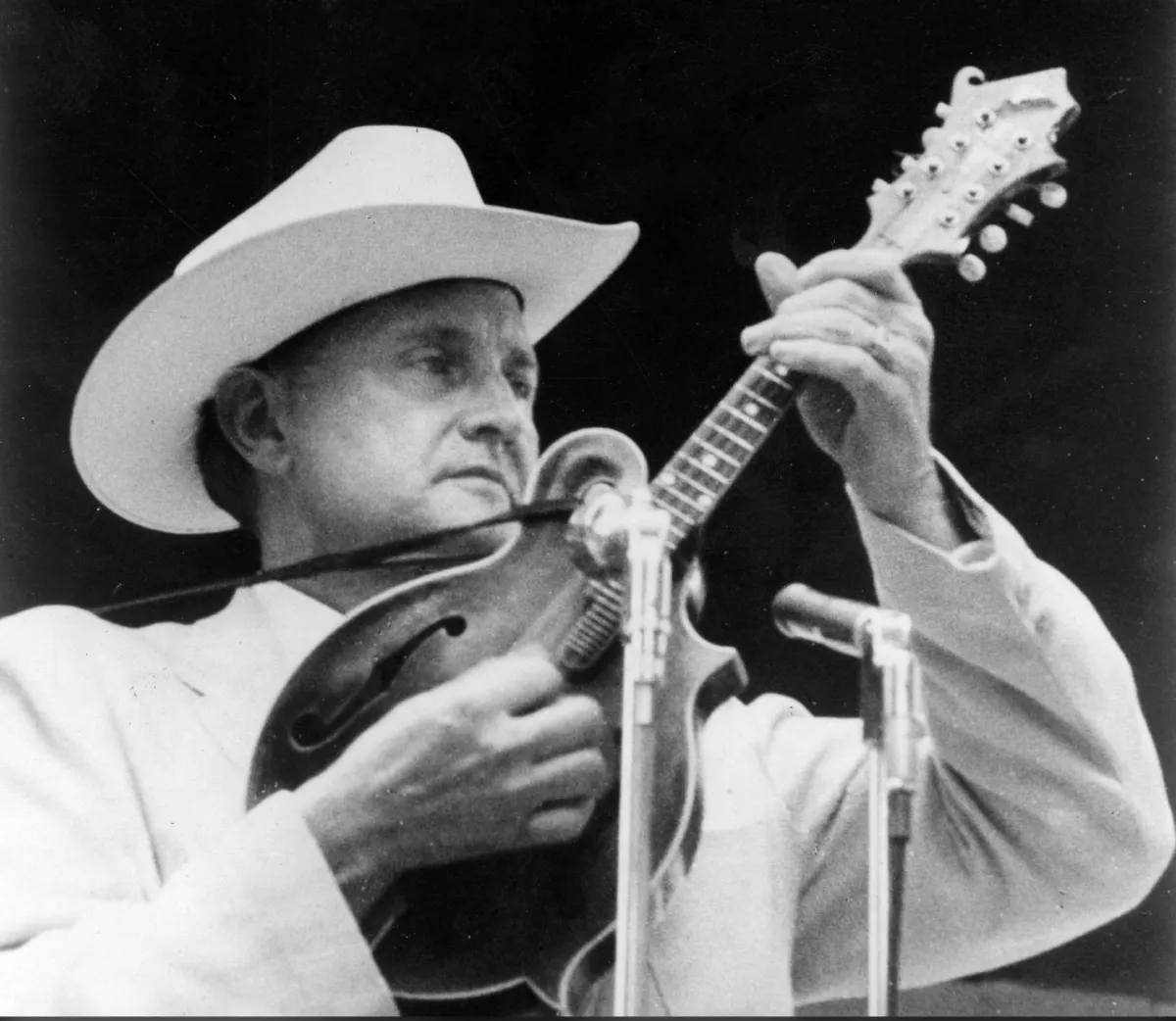
The genre is forever linked to Kentucky native Bill Monroe, who grew up near Rosine in western Kentucky. Monroe blended old-time fiddle tunes, gospel harmonies, blues, and Appalachian folk music into a fast-paced sound unlike anything audiences had heard before.
His band, the Blue Grass Boys, became so influential that people began referring to this new style simply as “bluegrass music.”
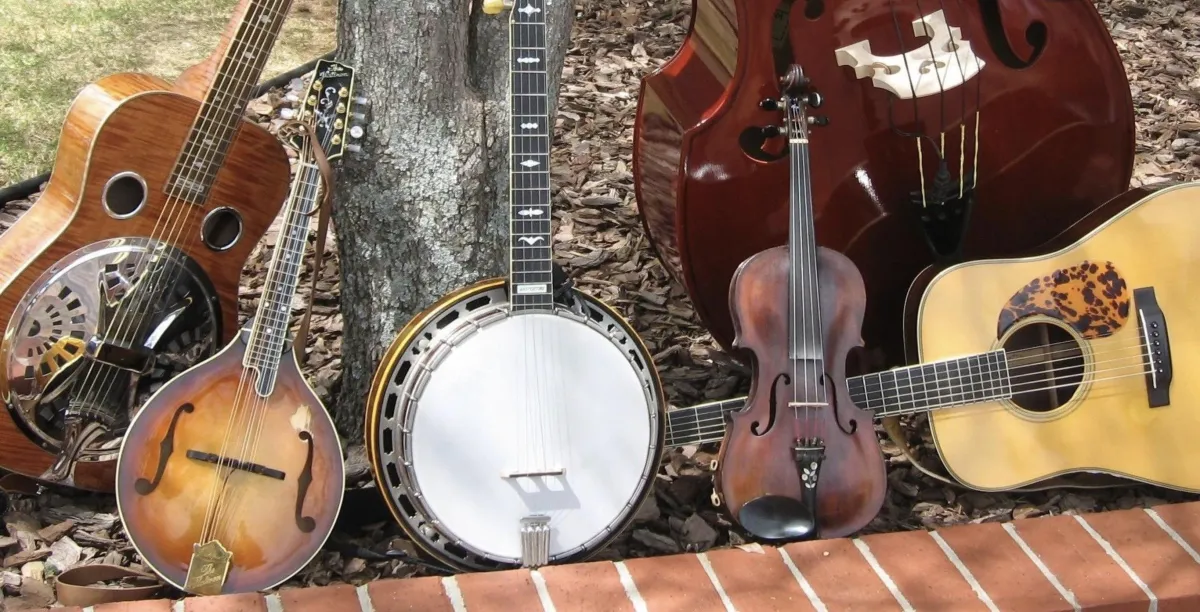
Traditional bluegrass relies almost entirely on acoustic instruments, including the mandolin, fiddle, banjo, guitar, upright bass, and later the dobro. Unlike many musical styles, every musician gets a chance to shine during instrumental solos, making each performance feel spontaneous and alive.
Today, bluegrass is played around the world, but its roots remain firmly planted in Kentucky.
DID YOU KNOW?
A Few Bluegrass Facts
Is Bluegrass native to Kentucky?
No. Bluegrass originally came from Europe and was brought to North America by early settlers in the 1600s. It thrived in Kentucky’s rich limestone soil and became the state’s signature grass.
Why do horses love Kentucky bluegrass?
Kentucky’s limestone-rich soil produces nutrient-dense bluegrass that’s high in calcium and phosphorus. Many believe this helped Kentucky become one of the world’s premier regions for raising thoroughbred horses.
Can you really see "blue" fields in Kentucky?
Yes. In late spring, mature bluegrass produces tiny seed heads that create a bluish haze across large pastures, giving the region the appearance that inspired the name “Bluegrass.”
How much of Kentucky is actually in the Bluegrass Region?
Only 20% of Kentucky lies within the Bluegrass Region, a 20 county area in central Kentucky famous for its rolling horse farms, bourbon distilleries and fertile limestone soil. The rest of the state is makeup of regions like the Appalachian Mountains, the Pennyroyal Plateau, the Western Coal Fields and the Jackson Purchase.
What is Kentucky's official state musical instrument?
The Appalachian dulcimer became Kentucky’s official state musical instrument in 2001.
How is bluegrass different from country music?
Bluegrass is traditionally acoustic, features instrumental solos, and relies on tight vocal harmonies, while country music often includes electric instruments and drums.
Which Kentucky artist helped bring bluegrass to a new generation?
Ricky Skaggs, from eastern Kentucky, became one of bluegrass music’s biggest modern ambassadors.
What famous bluegrass song is tied to Kentucky?
"Blue Moon of Kentucky" became a bluegrass classic after it was recorded by Elvis Presley introducing it to millions of new listeners.
What instrument usually kicks off a bluegrass song?
The mandolin often starts the song, setting the tempo before the rest of the band joins in.
What is the “high lonesome sound”?
It’s the soaring, emotional vocal style that has become one of bluegrass music’s most recognizable trademarks.
Why don’t traditional bluegrass bands use drums?
The rhythm comes entirely from the guitar, mandolin, banjo, and upright bass, creating bluegrass’s distinctive driving sound.
What is a “break” in bluegrass music?
A break is a featured instrumental solo where one musician takes the spotlight before the band comes back together.
KEEP EXPLORING
Learn More About Bluegrass in KY
The Lodge on Angel's Ridge - A Stylish Stay Property
Kentucky stories, thoughtfully woven into every room

© 2026 Stylish Stay. All rights reserved.
Privacy Policy | Terms of Use | Accessibility | Image Credits