THE PROHIBITION ROOM
WHEN BOURBON WENT UNDERGROUND
When Prohibition tried to silence Kentucky’s bourbon industry, whiskey found new ways to survive through hidden bottles, legal loopholes, and a doctor’s prescription pad
WHEN KENTUCKY WENT DRY
Prohibition Came For Bourbon Country
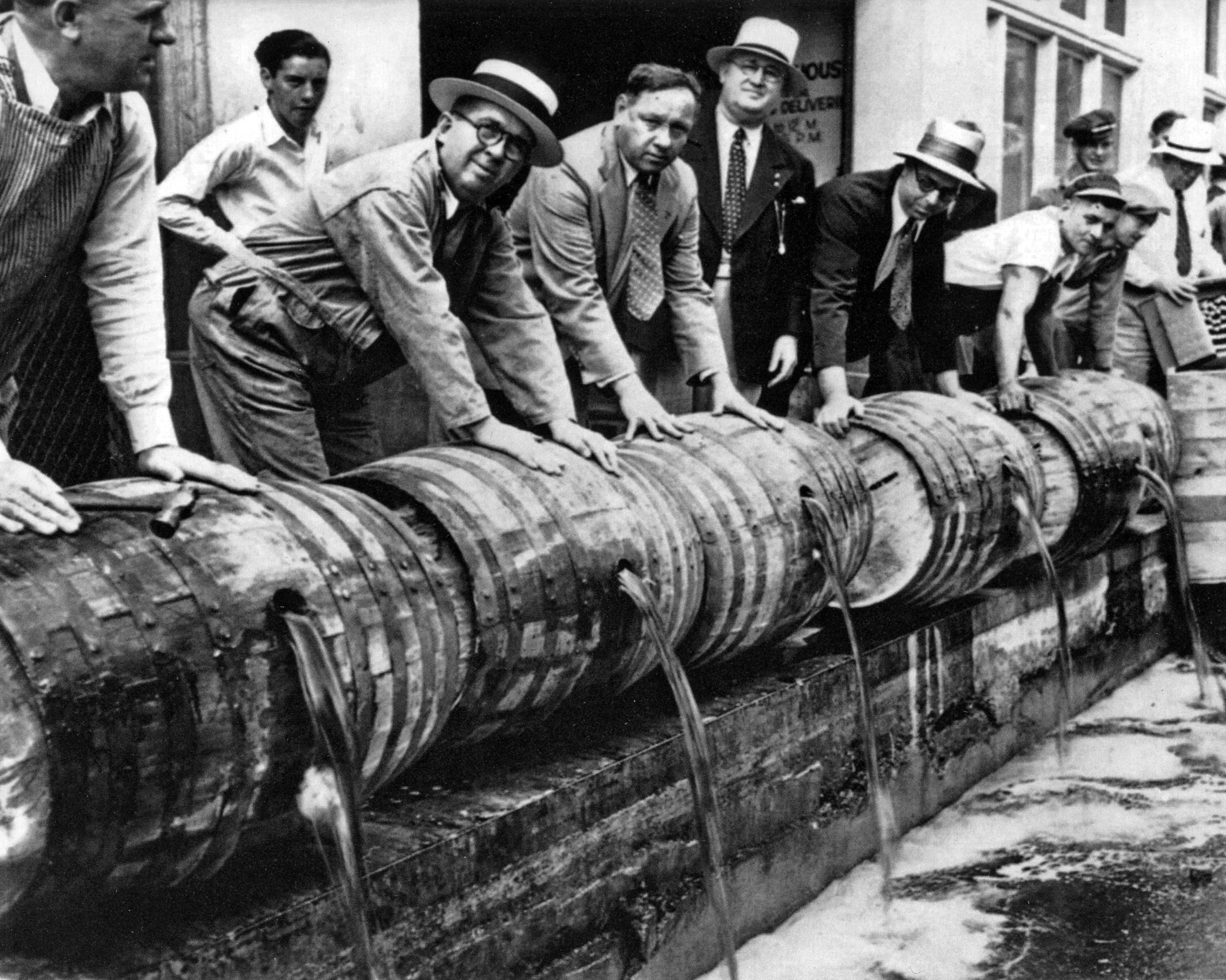
Before Prohibition, Kentucky was home to more than 200 distilleries, and bourbon had already become part of the state’s economy, culture, and identity.
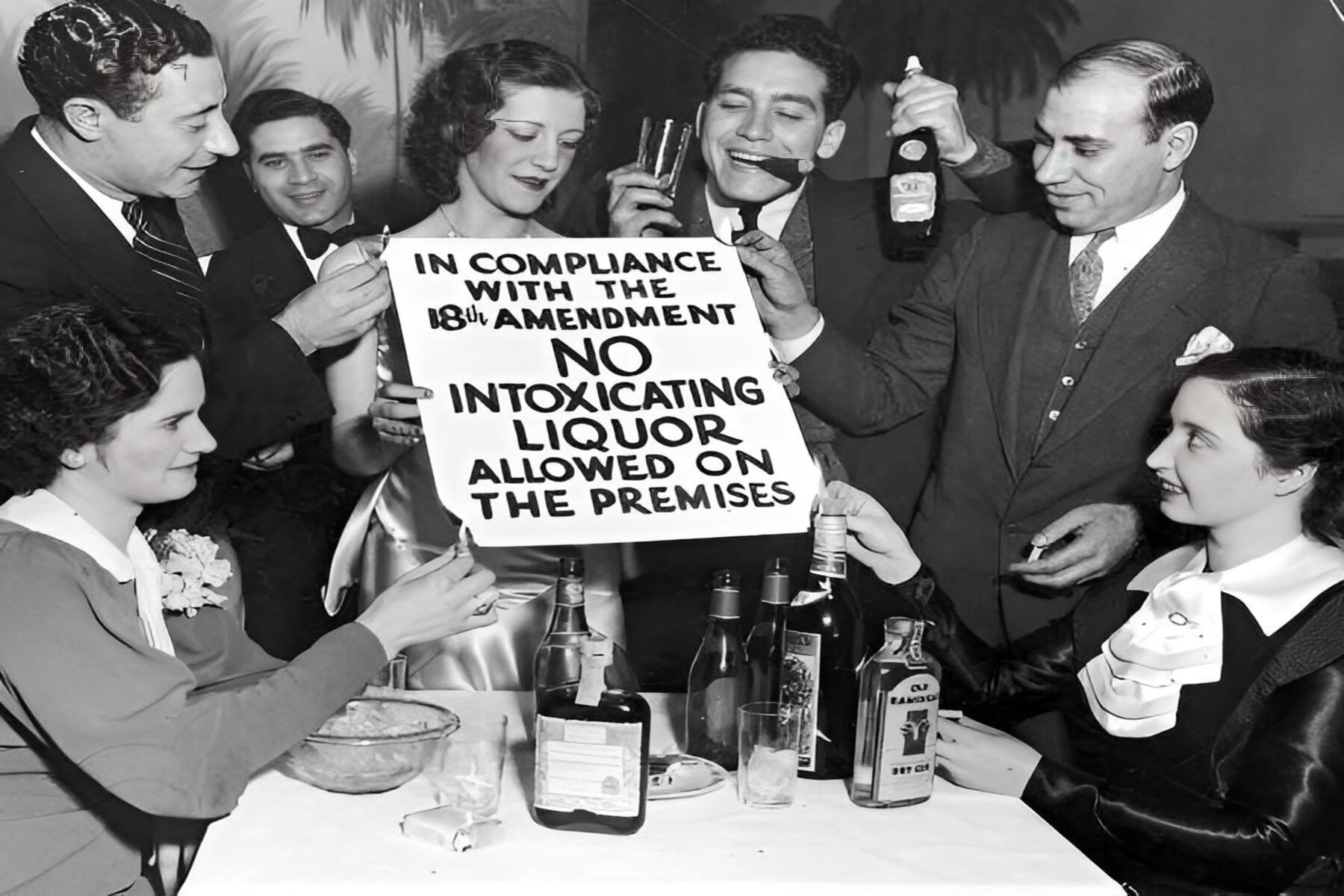
Then, in January 1920, the 18th Amendment and the Volstead Act shut down the legal manufacture and sale of alcohol across the country. Kentucky’s stills went quiet, warehouses were locked, and generations of family-run distilleries suddenly faced an uncertain future.
Some closed forever. Others sold their remaining whiskey stocks, changed businesses, or waited and hoped the law would eventually change. Bootleggers stepped into the gap, moving illegal liquor through back roads and hidden networks while speakeasies quietly kept glasses full.
By the time Prohibition ended in 1933, only 34 of Kentucky’s pre-Prohibition distilleries would reopen. Bourbon had survived, but the industry that emerged looked very different from the one that had entered America’s “dry” years.
THE LOOPHOLE
When Whiskey Became Medicine
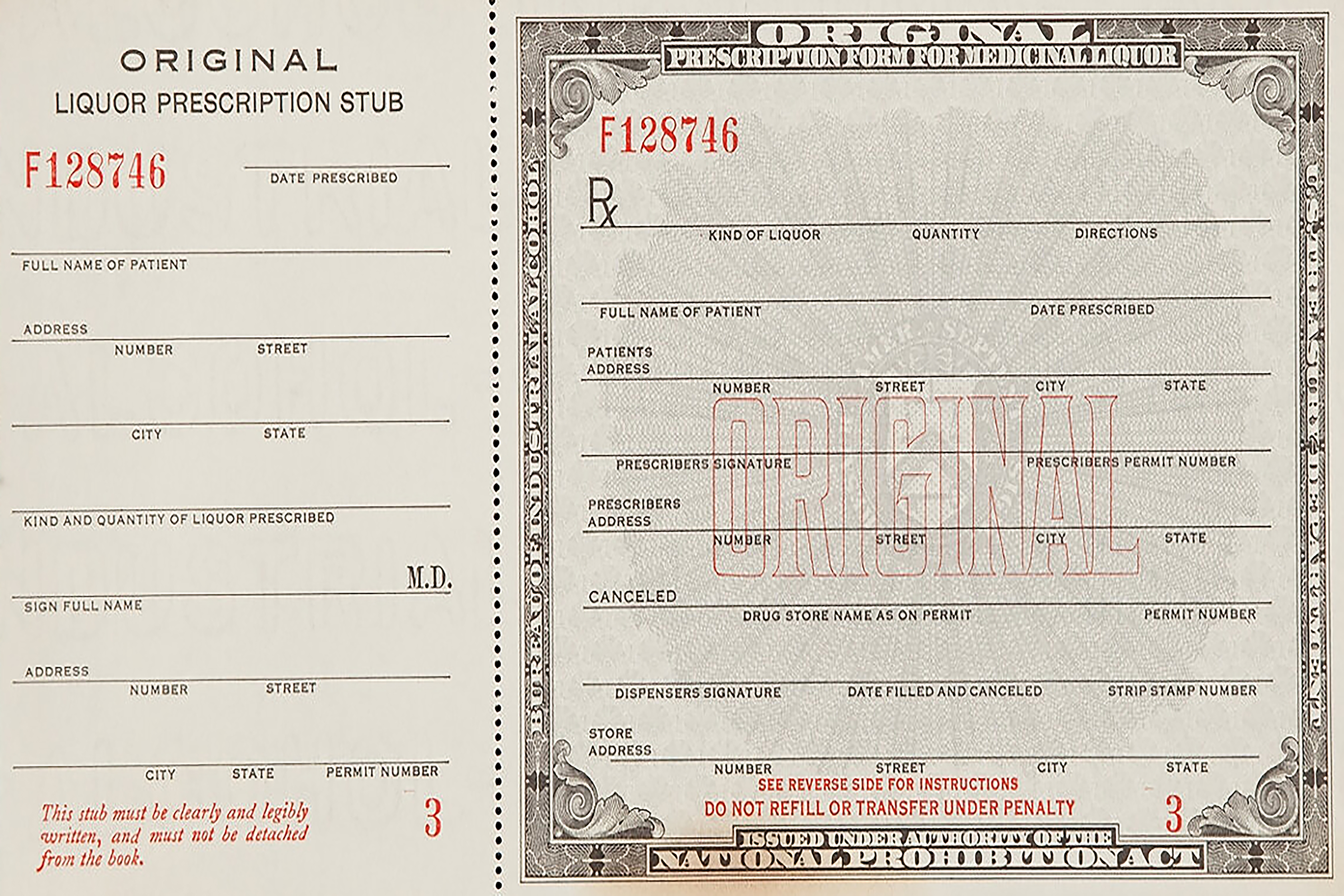
Prohibition banned the sale of alcohol, but it left one rather convenient exception: whiskey could still be prescribed for medicinal use.
With a doctor’s signature, patients could legally purchase a limited amount of whiskey from a pharmacy. Prescriptions were written for everything from colds and headaches to anxiety and digestive trouble, making medicinal whiskey one of Prohibition’s most famous loopholes.
Only a handful of Kentucky distilleries received federal permits to bottle and sell whiskey during those years. That permission allowed valuable bourbon stocks, historic labels, and parts of Kentucky’s distilling tradition to survive while most of the industry remained shut down.
So while bourbon disappeared from bars and liquor stores, it never vanished entirely. It simply moved behind the pharmacy counter, where a prescription could turn a forbidden drink into perfectly legal “medicine.”
DID YOU KNOW?
A Few Prohibition Facts
Did Prohibition make all alcohol illegal?
Not exactly. The 18th Amendment prohibited the manufacture, sale, and transportation of intoxicating liquor, but it did not outlaw drinking alcohol people already owned.
When did national Prohibition begin?
National Prohibition took effect on January 17, 1920, after the 18th Amendment and the Volstead Act became law.
Did any Kentucky distillery make new whiskey during Prohibition?
Yes. The George T. Stagg Distillery in Frankfort, now Buffalo Trace, was eventually permitted to produce new medicinal whiskey between 1930 and 1933.
What did doctors write on whiskey prescriptions??
Prescriptions could recommend whiskey for ailments ranging from digestive trouble and colds to pain, weakness, and anxiety.
Which six companies could sell medicinal whiskey?
Brown-Forman, Glenmore, Frankfort Distilleries, Schenley, American Medicinal Spirits, and A. Ph. Stitzel received permits to bottle and sell whiskey for medicinal use during Prohibition.
Did Kentucky have speakeasies?
Yes. Louisville’s hotels, back rooms, and hidden bars continued serving alcohol during Prohibition. The Rathskeller beneath the Seelbach Hotel is one of the city’s best-known surviving spaces associated with that era.
What was a “blind tiger”?
It was a business that secretly sold illegal alcohol, much like a speakeasy. Kentucky law used the term for places operating outside liquor laws.
Did Kentucky have Prohibition-era gangsters?
Yes. Bootlegging brought organized crime, bribery, raids, and violence into Kentucky, particularly around Louisville and Northern Kentucky. The state supplied the bourbon, while criminal networks found ways to move and sell it.
Who was the “King of the Bootleggers”?
George Remus built one of Prohibition’s largest illegal liquor empires just across the river from Northern Kentucky. He used legal medicinal-whiskey permits to acquire bourbon, then diverted it into a vast bootlegging network.
What is Kentucky’s most famous Prohibition-era speakeasy?
The Rathskeller beneath Louisville’s Seelbach Hotel is the state’s best-known surviving space associated with Prohibition nightlife. The hotel hosted bootleggers, gamblers, writers, and reputed mob figures, including Al Capone.
Was illegal Prohibition liquor dangerous?
Very. Some bootleg alcohol was diluted or made with industrial alcohol and poisonous chemicals, causing blindness, illness, and death.
When did Kentucky legally pour bourbon again?
National Prohibition ended on December 5, 1933, when the 21st Amendment repealed the 18th Amendment. The bourbon industry then began the long process of rebuilding.
KEEP EXPLORING
Learn More About Prohibition
The Lodge on Angel's Ridge - A Stylish Stay Property
Kentucky stories, thoughtfully woven into every room
© 2026 Stylish Stay. All rights reserved.
Privacy Policy | Terms of Use | Accessibility | Image Credits