THE CIVIL WAR ROOM
KENTUCKY'S CHOICE IN THE CIVIL WAR
Kentucky was a slave state that stayed in the Union, but that decision did not mean everyone agreed. During the Civil War, the state became a place of divided loyalties, uneasy neutrality, and families forced to choose what they believed mattered most.
THE STATE THAT CHOSE NEITHER SIDE
Kentucky's Impossible Neutrality
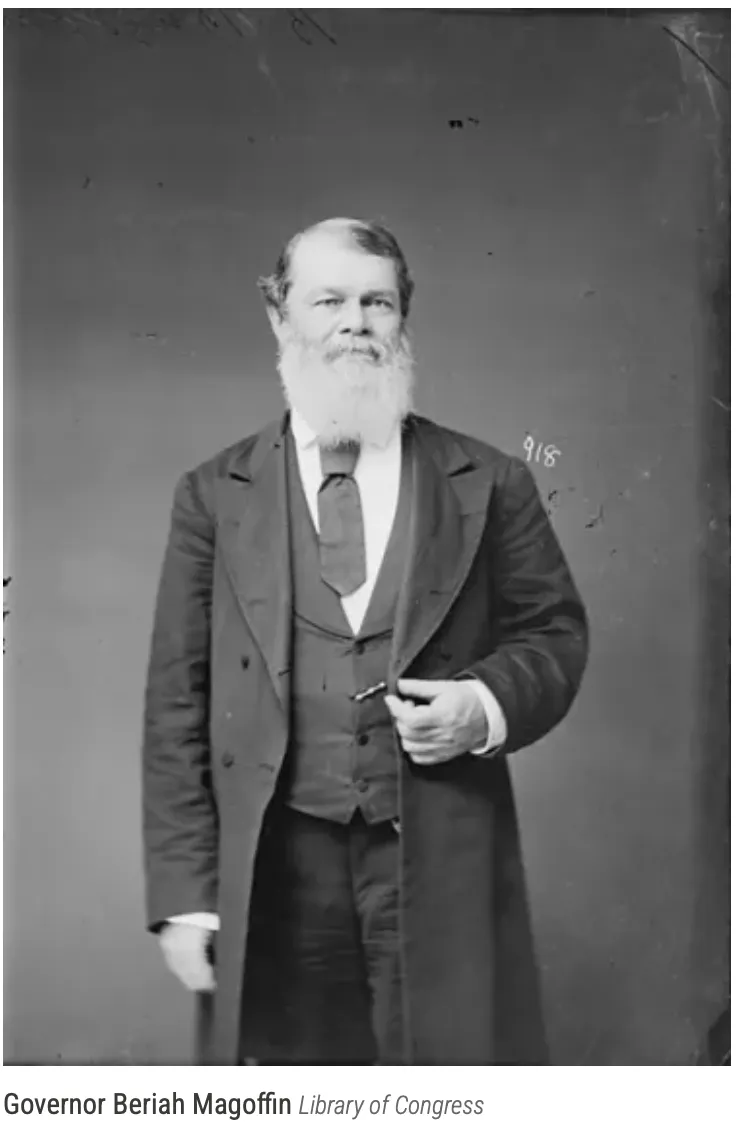
When the Civil War began in 1861, Kentucky faced a difficult choice. As a slave state with strong Southern ties, many expected it to join the Confederacy. Others believed the Union should be preserved at all costs. Rather than choose a side, Kentucky attempted something no other border state had successfully done: it declared neutrality.
For several months, Kentucky insisted that both Union and Confederate armies stay out. State leaders hoped the conflict would pass around them, sparing their towns, farms, and families from war. It was a bold idea, but one that depended on both sides respecting Kentucky’s wishes.
That ended in September 1861 when Confederate troops occupied Columbus, Kentucky, a strategic position along the Mississippi River. Many Kentuckians viewed the move as a violation of the state’s neutrality. In response, the Kentucky legislature asked Union forces to enter the state and help defend it.
From that moment forward, Kentucky remained part of the Union. Yet the decision did not settle the debate. Thousands of Kentuckians still chose to fight for the Confederacy, while many others fought for the Union. The state had officially picked a side, but many of its people had not.
WHEN WAR CAME TO TOWN
Perryville and the Battle for KY
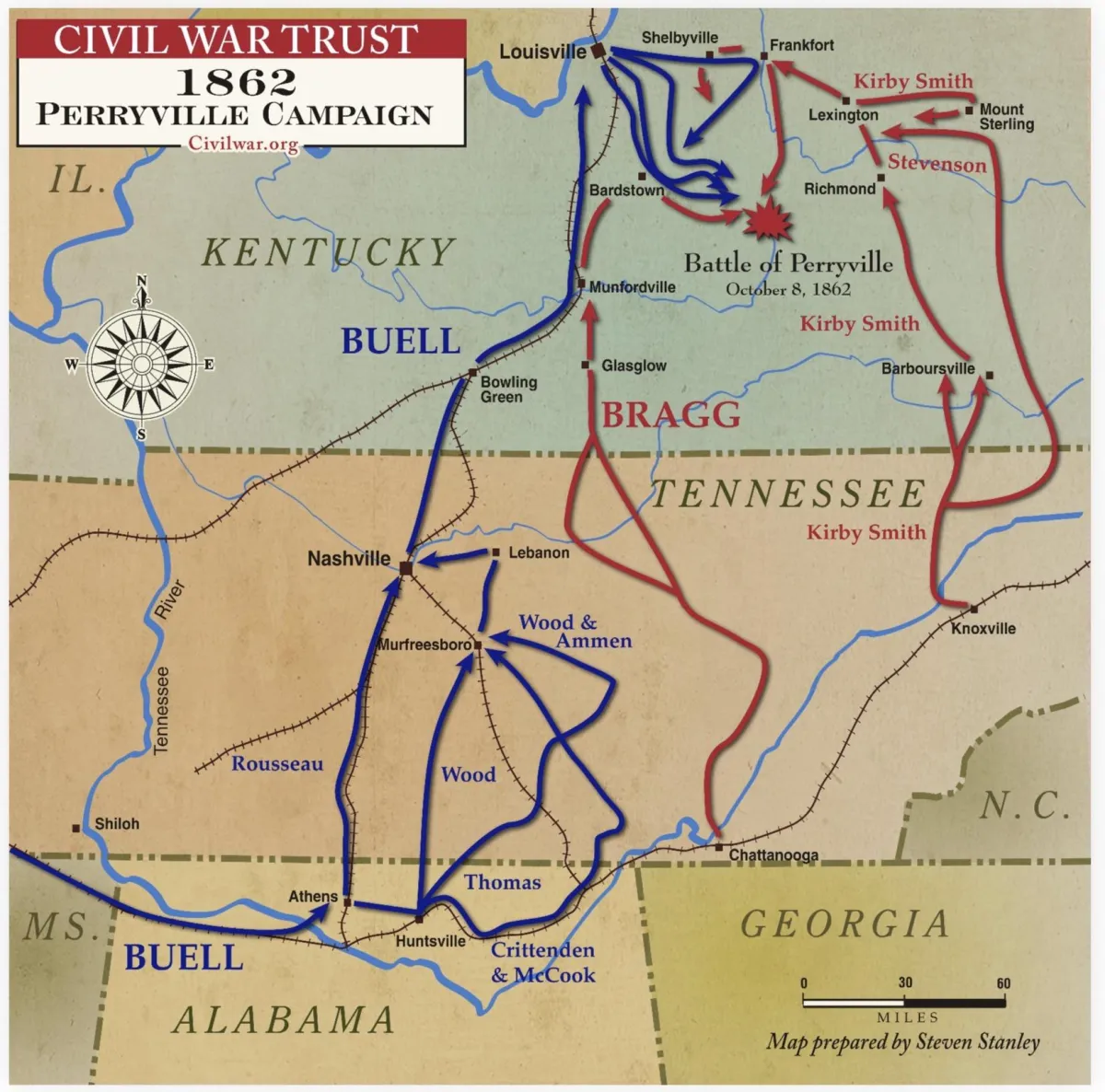
By the fall of 1862, Kentucky had officially remained in the Union, but the question was far from settled. Confederate leaders believed many Kentuckians still supported the South and hoped a successful campaign through the state might change its future.
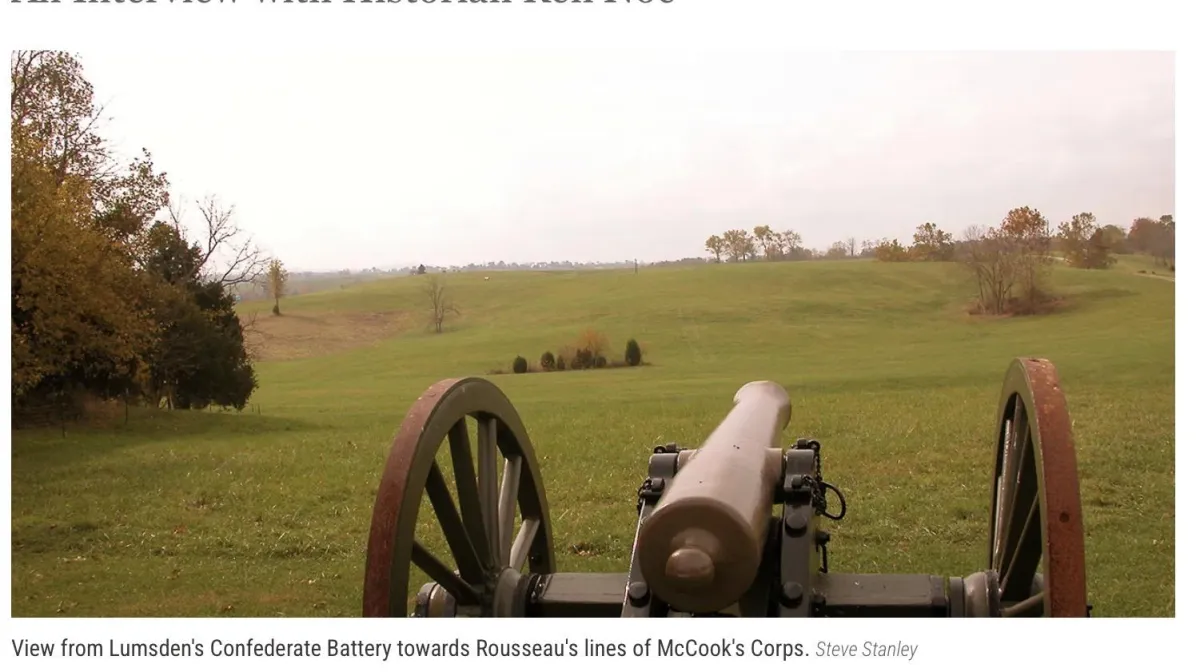
That campaign led thousands of Union and Confederate soldiers to the small town of Perryville on October 8, 1862. What followed became the largest Civil War battle ever fought in Kentucky.
For the residents of Perryville, the conflict arrived with little warning. Farms became battlefields. Homes, churches, and public buildings were turned into hospitals. A town of only a few hundred people suddenly found itself surrounded by more than 55,000 soldiers.
By the end of the day, over 7,500 men had been killed, wounded, or reported missing. Although neither army achieved a decisive victory on the battlefield, the larger result was clear. Confederate forces soon withdrew from Kentucky and never again launched a major effort to bring the state into the Confederacy.
The Battle of Perryville lasted only one day, but it helped answer one of the most important questions of the Civil War. Kentucky would remain in the Union, and the people of Perryville would forever be connected to the moment that helped decide the state’s future.
DID YOU KNOW?
A Few KY Civil War Facts
Was Kentucky a Union or Confederate state?
Kentucky officially remained in the Union throughout the Civil War, even though many Kentuckians supported the Confederacy.
Did Kentucky try to stay out of the Civil War?
Yes. Kentucky declared neutrality in 1861 and asked both Union and Confederate armies to stay out of the state.
What ended Kentucky’s neutrality?
Confederate troops entered Columbus, Kentucky, in September 1861. Soon afterward, Kentucky’s legislature aligned with the Union
Why did the Confederacy want Kentucky?
Kentucky’s rivers, railroads, farmland, and strategic location made it one of the most important states in the war. As President Lincoln reportedly said "I think to lose Kentucky is nearly the same as to lose the whole game."
Did Kentucky have regiments on both sides?
Yes. Kentucky raised military units for both the Union and Confederate armies, reflecting the state’s deeply divided loyalties.
Was the upstairs 1st KY regiment flag a Union flag or Confederate flag?
Although Kentucky stayed in the Union, this reproduction is based on the Confederate “Stars and Bars” flag associated with the 1st Kentucky Infantry. It’s a reminder that Kentucky’s official choice and its people’s loyalties were not always the same.
Were Abraham Lincoln and Jefferson Davis both born in Kentucky?
Yes. The presidents of the United States and the Confederacy were both born in Kentucky, less than 150 miles apart.
Did more Kentuckians fight for the Union or Confederacy?
More Kentuckians fought for the Union. Historians estimate that about 100,000 Kentuckians served in the Union Army, compared with roughly 35,000 who fought for the Confederacy.
What was the largest Civil War battle fought in Kentucky?
The Battle of Perryville, fought on October 8, 1862.
Why is Perryville sometimes called the “Battle for Water”?
A severe drought had left many streams and springs nearly dry, forcing both armies to struggle for access to water during the campaign.
How many soldiers fought at Perryville?
More than 55,000 Union and Confederate soldiers took part in Kentucky’s largest Civil War battle. More than 7,500 soldiers were killed, wounded, or reported missing in a single day.
Did the Civil War reach Bardstown?
Yes. Bardstown changed hands multiple times during the war and served as a hospital, supply center, and military headquarters for both sides at different points.
KEEP EXPLORING
Learn More About the Civil War in KY
The Lodge on Angel's Ridge - A Stylish Stay Property
Kentucky stories, thoughtfully woven into every room

© 2026 Stylish Stay. All rights reserved.
Privacy Policy | Terms of Use | Accessibility | Image Credits